
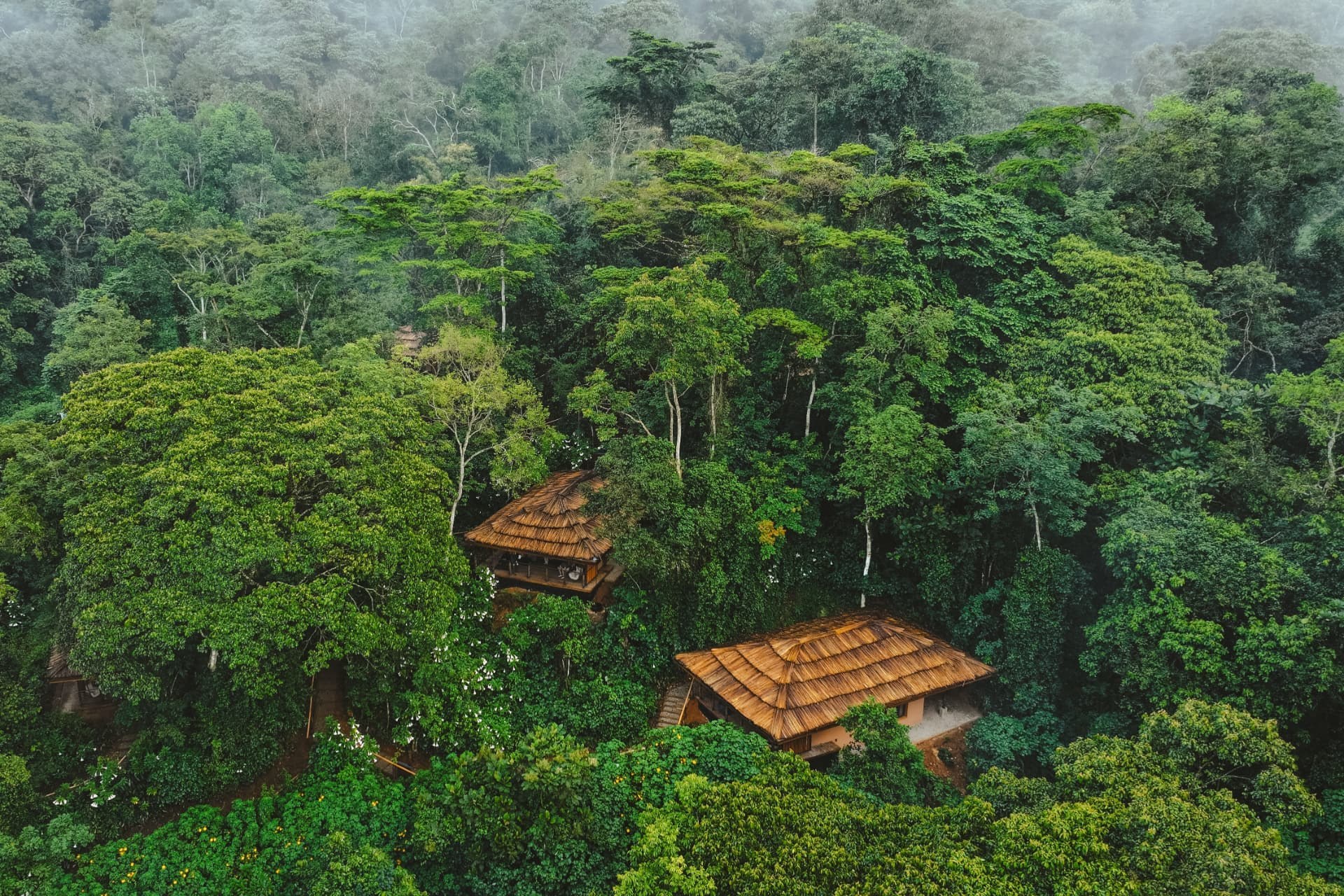
East Africa · Uganda safaris
Gorillas, chimpanzees and the Nile — a safari of a different kind.
Bwindi's mountain gorillas, Kibale's chimpanzees and the great Nile at Murchison Falls. Uganda is a primate and landscape destination, and it rewards travelers who want something few other countries offer.
Photo by Willem van den Heever
Best for
- ●Gorilla trekking
- ●Primate tracking
- ●Active, nature-led travel
- ●Combining with Rwanda or Tanzania
Our honest take
Uganda earns its place for the primates, not for classic big-game density. Trekking is physical — steep, humid forest on foot — and the permit is a real cost. If a relaxed, vehicle-based wildlife holiday is what you want, elsewhere fits better. If you want to stand a few metres from a habituated gorilla family, nothing else comes close.
When to go
Jun – Aug, Dec – Feb
The drier months, generally the most comfortable for trekking. Permits are limited and are often secured months ahead.
Mar – May, Sep – Nov
The wetter stretches. Forest trails are muddier and trekking longer, but with fewer visitors and greener, atmospheric scenery.
How it works
Gorilla trekking is a guided morning activity on foot, in small groups, with a fixed time alongside the animals. Permits are issued per person, per day, so the itinerary is built around them. Road transfers between forests are long, so internal flights and well-paced routing matter here more than usual.
Key regions
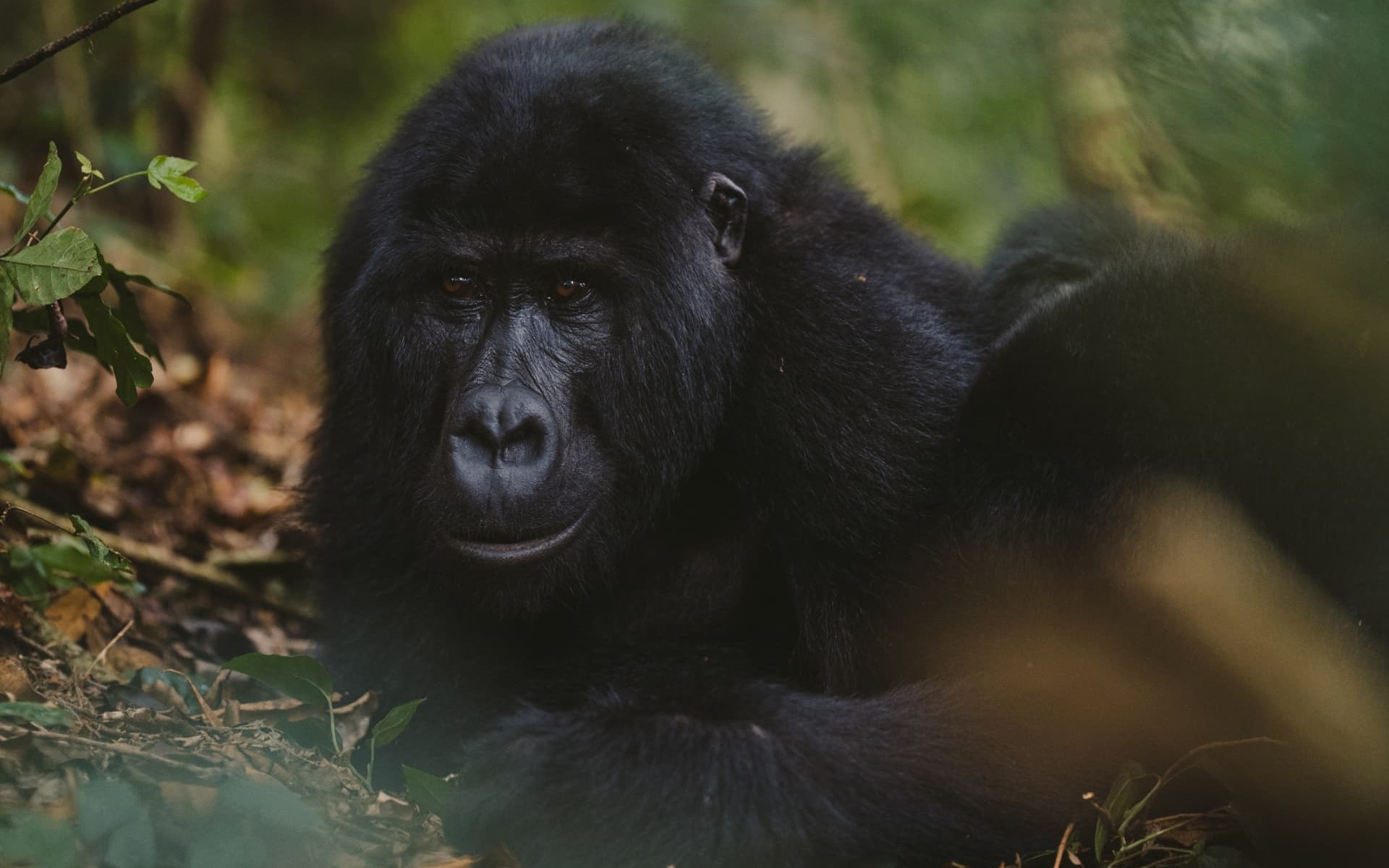
Bwindi Impenetrable Forest
Roughly half the world's remaining mountain gorillas, spread across several trekking sectors.
Photo by Willem van den Heever
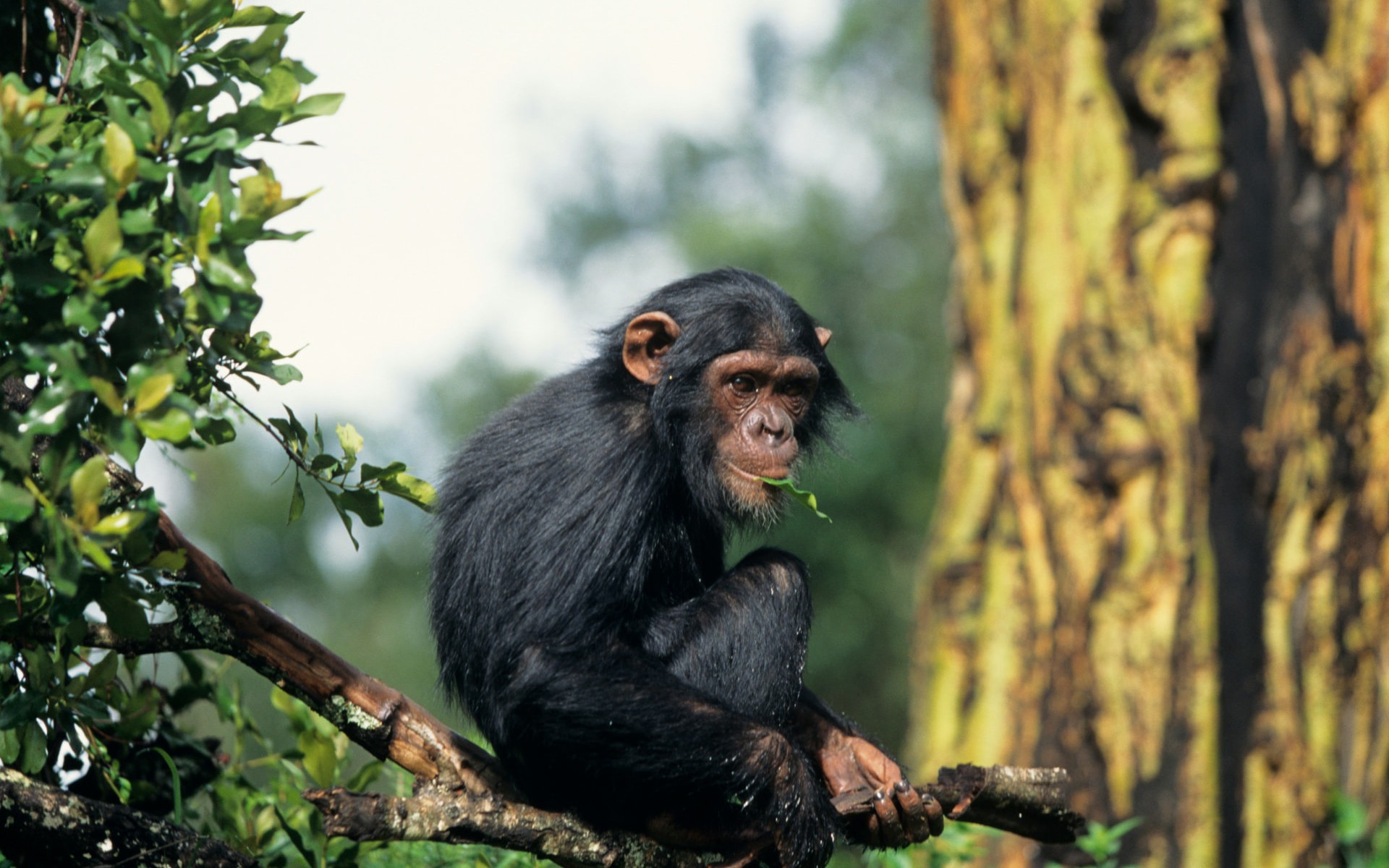
Kibale Forest
Africa's densest chimpanzee population, plus other primates and forest walks.
Photo by Getty Images
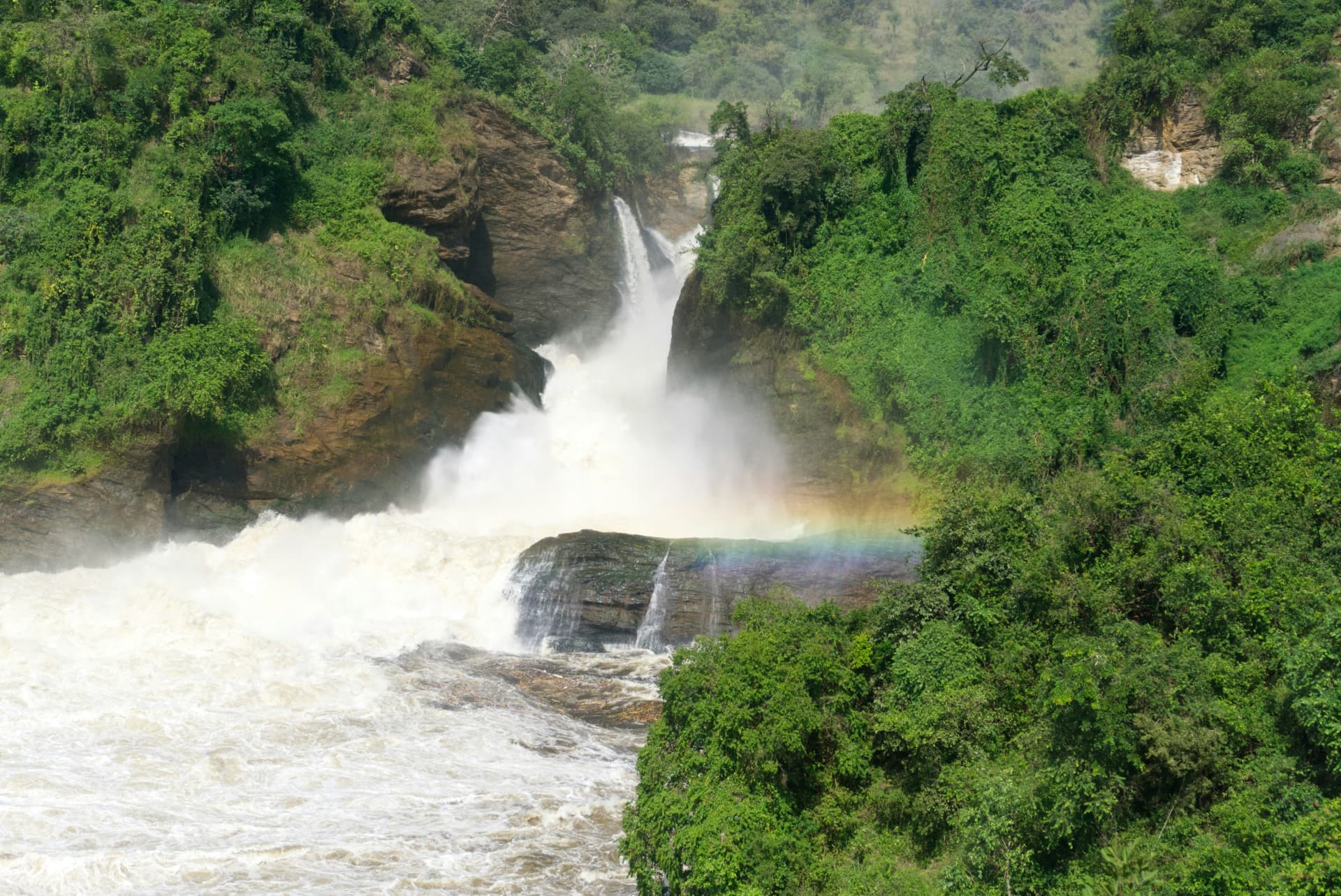
Queen Elizabeth & Murchison Falls
Tree-climbing lions in Ishasha, elephants along the Kazinga Channel, and the Nile forcing through a narrow gorge.
Photo by Jonathan Gohner
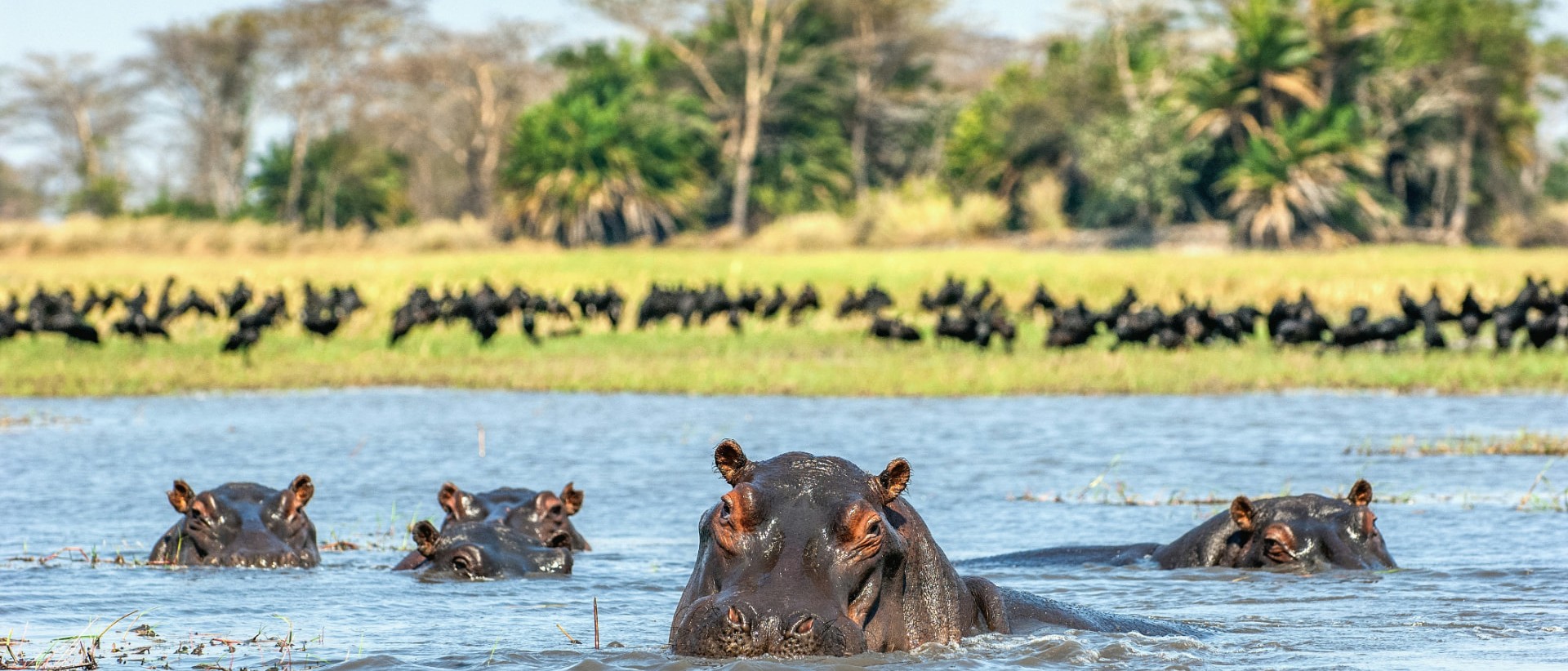
Hippos and a line of waterbirds on the water — the quiet hours between treks.
Photo by Getty Images
Signature experiences
What makes Uganda special
Gorilla trekking in Bwindi
Small groups spend a fixed hour with a habituated mountain gorilla family.
Chimpanzee tracking in Kibale
Forest walks to find chimpanzee communities, plus other primates and rich birdlife.
Boat trip to Murchison Falls
The Nile forces through a narrow gorge; the river below is busy with hippos, crocodiles and birds.
Kazinga Channel
A boat trip in Queen Elizabeth National Park with elephants, buffalo and hippos at the water's edge.
Birding
Uganda's mix of forest, wetland and savanna makes it a standout for bird lovers, including the shoebill.
Community visits
Thoughtfully arranged visits near the parks show how tourism supports conservation.
How long to stay
Eight to ten nights lets you combine gorillas, chimpanzees and a savanna park without rushing. Allow two trek days if gorillas are the main reason to go.
Pairs well with
Uganda pairs well with Kenya or Tanzania for classic plains wildlife, or with Rwanda.
Illustrative itinerary · 8 nights
Primates and savanna
1 night
Entebbe
Arrive near the airport.
2 nights
Kibale
Chimpanzee tracking in the forest.
2 nights
Queen Elizabeth
Kazinga Channel boat trip and savanna game drives.
3 nights
Bwindi
Gorilla trek with a spare day for a second trek or community walk.
Transfers: Domestic flights save long road days; many trips combine a road journey through the countryside with a flight back to Entebbe.
An example of pacing, not a fixed package — every trip is tailored.
Budget guidance
What a Uganda safari costs
Lodges typically from around $750 per person per night at premium level, plus permits
Usually included
- — Accommodation and meals
- — Guided activities at lodges
- — Driver-guide and vehicle
Usually extra
- — International flights
- — Visas and travel insurance
- — Gratuities
- — Premium drinks and optional extras
- — Gorilla and chimpanzee permits (often listed separately)
Assumptions: Two adults sharing, guided trip with driver-guide, one gorilla permit each. Guideline only; it varies by season and camp.
Why similar trips cost differently
Permits are a fixed cost set by the Uganda Wildlife Authority — check the current price — so the main variables are lodge level, flights vs driving and the number of treks.
Reserve & camp trade-offs
Bwindi sector choice
Pick a lodge near your trekking start point to avoid early long drives.
Drive vs fly
Driving shows rural Uganda; flying saves two days of travel.
One trek vs two
A second trek gives a different experience and insurance against bad weather.
Works especially well for
Wildlife-focused travellers
Gorillas, chimps and savanna in one country.
Active travellers
Treks can be steep and long.
East Africa combiners
Pairs well with a Kenya or Tanzania safari.
Uganda FAQs
What is the minimum age for gorilla trekking?+
Currently 15 years; check the Uganda Wildlife Authority's current rules.
How fit do I need to be?+
Reasonably fit; porters are available and recommended.
When is best?+
The drier months (around June–September and December–February), though trekking runs all year.
First safari? Perfect.
You don't need to know Botswana from Tanzania yet. Tell us how you like to travel — we'll make the five pieces fit.
Read the first-safari guide: what to pack, when to go, how to book →