
By Stefan Terwindt ·
Where gorilla trekking happens in Rwanda and Uganda
In Rwanda, mountain gorilla trekking is associated with Volcanoes National Park. In Uganda, it takes place in Bwindi Impenetrable National Park and Mgahinga Gorilla National Park. These names are the beginning of the planning conversation, not the end. In particular, Bwindi has different trekking sectors, and accommodation should be matched carefully to the location specified by your arrangements.
A room described broadly as being near Bwindi may not be the practical base for your assigned starting point. Roads, terrain, and early reporting times make location important. Ask your planner to explain the relationship between permit, briefing point, and lodge before confirming them. The same principle applies in Rwanda: the actual transfer and morning arrangements matter more than a general statement that a property is near the park. Good coordination reduces avoidable stress before a physically uncertain day.
Rwanda vs Uganda: access and time on the road
Rwanda often suits travelers seeking a more compact gorilla-focused itinerary, particularly when routing through Kigali. That relative compactness should not be mistaken for an instant excursion or a reason to ignore rest after a flight. Allow for the actual road journey, arrival timing, and an early start on the trekking day. A trip can be short without being rushed, but it needs deliberate planning.
Uganda can require more substantial road travel depending on the route and chosen forest area. Internal flights may help some itineraries, though airstrip transfers and scheduled services still need to be considered. Uganda can be especially appealing when the journey includes other wildlife or primate interests rather than only the gorilla visit. Compare door-to-door travel time, not just flight duration, and be honest about how you feel after repeated long travel days.
Gorilla trekking permits and overall trip costs
Permit costs and booking rules can change, so obtain current information from the relevant authority or through a planner working with verified local arrangements. Rwanda’s standard gorilla permits have generally been priced above Uganda’s, but that difference is not the full cost comparison. Accommodation, transfers, flights, guiding, and the length of the trip can change which itinerary is more suitable for your budget.
Permit availability may shape your dates and route before the rest of the trip is fixed. Ask what is being held, what has been confirmed, and which cancellation or amendment rules apply. Do not assume ordinary trekking permits and any extended habituation-style experience are interchangeable products. If a proposal includes a different activity category, ask for its current rules, location, duration framework, and suitability. A clear description is more useful than treating every forest visit as the same purchase.
Is gorilla trekking easier in Rwanda or Uganda?
There is no dependable country-wide shortcut for predicting your walking day. Terrain can be steep, vegetation dense, and trails slippery in either destination. The time required depends on the gorillas’ location, the group assigned, weather, and conditions on the day. A trek described as easier by another traveler may not resemble yours, even in the same park a few days later.
Share your fitness, mobility needs, and health concerns before booking, then repeat relevant information at the briefing. Preferences may be considered in group allocation, but an easy route or short walk cannot be guaranteed. Ask about porter arrangements and any assistance options well in advance; availability and suitability need confirmation. Using a porter can help with carrying and steadiness, but it does not remove the need to assess whether the activity is appropriate for you.
What to expect during the gorilla encounter
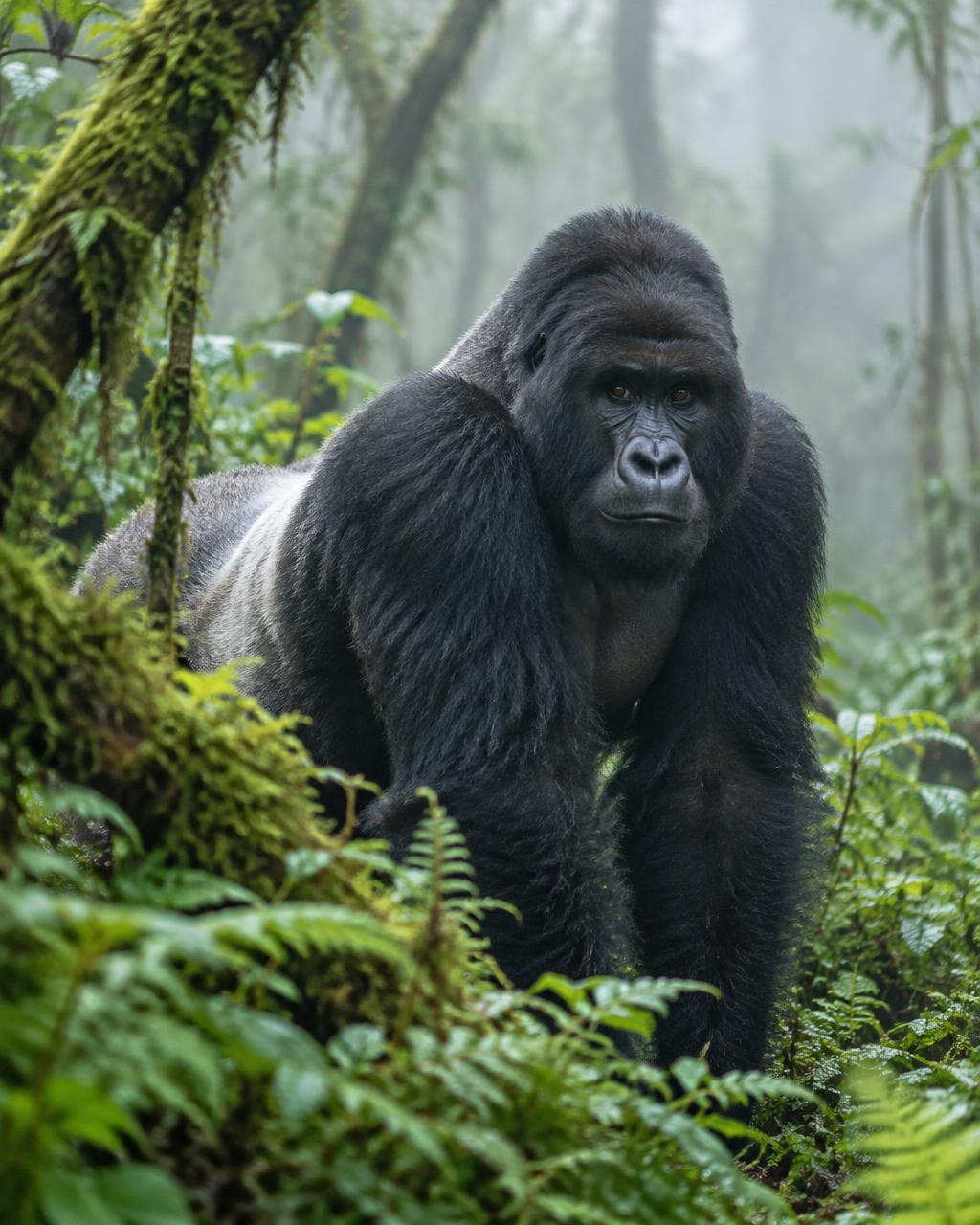
A trek is a guided visit to wild animals, not a staged interaction. Briefings cover behavior, distancing, health precautions, and instructions for moving around the group. Follow the current rules and your guide’s directions, including when a gorilla moves unexpectedly. Do not approach, touch, feed, or attempt to provoke an animal for a photograph. The value of the experience lies in observing, not in manufacturing a moment.
Gorillas are susceptible to human diseases, so illness should be taken seriously before the visit. Ask about current health protocols and what you should do if you develop symptoms. Viewing arrangements and time limits are regulated; confirm the rules for your permit rather than relying on an informal account online. Visibility also varies. Vegetation, weather, and the group’s behavior can make photography challenging, but an imperfect image does not diminish the opportunity to watch a family living in its forest habitat.
What to combine with gorilla trekking in each country
Uganda may suit travelers who want a broader route involving savanna wildlife, other primates, and varied landscapes, provided the available time supports those connections. Resist the temptation to add every possible stop. A varied trip can become tiring when the spaces between activities are filled with long transfers and no recovery time. Choose additions because they advance your interests, not because they complete a map.
Rwanda can also support a wider journey, with possibilities including forest and savanna experiences alongside time in Kigali. Alternatively, a gorilla-focused stay may be combined with another safari destination if flights and entry arrangements make sense. Cross-border combinations deserve a realistic look at connection times and administrative requirements. The strongest itinerary is the one with a clear purpose for each segment, whether that means staying within one country or joining distinct experiences thoughtfully.
Choosing Rwanda or Uganda with The Safari Fit
Use The Safari Fit to organize the decision. Where means the actual park and trekking base. When includes permit availability, seasonal conditions, and your own calendar. How addresses road journeys, flights, and walking demands. Where you stay should support the correct briefing point and the comfort you need before and after the trek. Who you travel with matters because not every companion may want, or be eligible for, the same activity.
Check current minimum-age rules, official entry requirements, recommended health precautions, and insurance cover for your planned activities. If someone will not trek, build a satisfying alternative rather than leaving them as an afterthought. Then compare complete, realistic proposals. Rwanda may fit a compact forest-focused journey; Uganda may fit a longer, more varied exploration. Neither choice needs to be justified by declaring the other inferior. Choose the route whose logistics, pace, and wider experiences work best for the people actually traveling.
- ●Match the permit location to the accommodation before confirming either.
- ●Discuss fitness and health openly; avoid promises of an easy trek.
- ●Compare complete trip costs rather than permit prices alone.
- ●Leave time to rest and appreciate the forest beyond the central encounter.
Keep planning
Plan your gorilla trekking journey →