
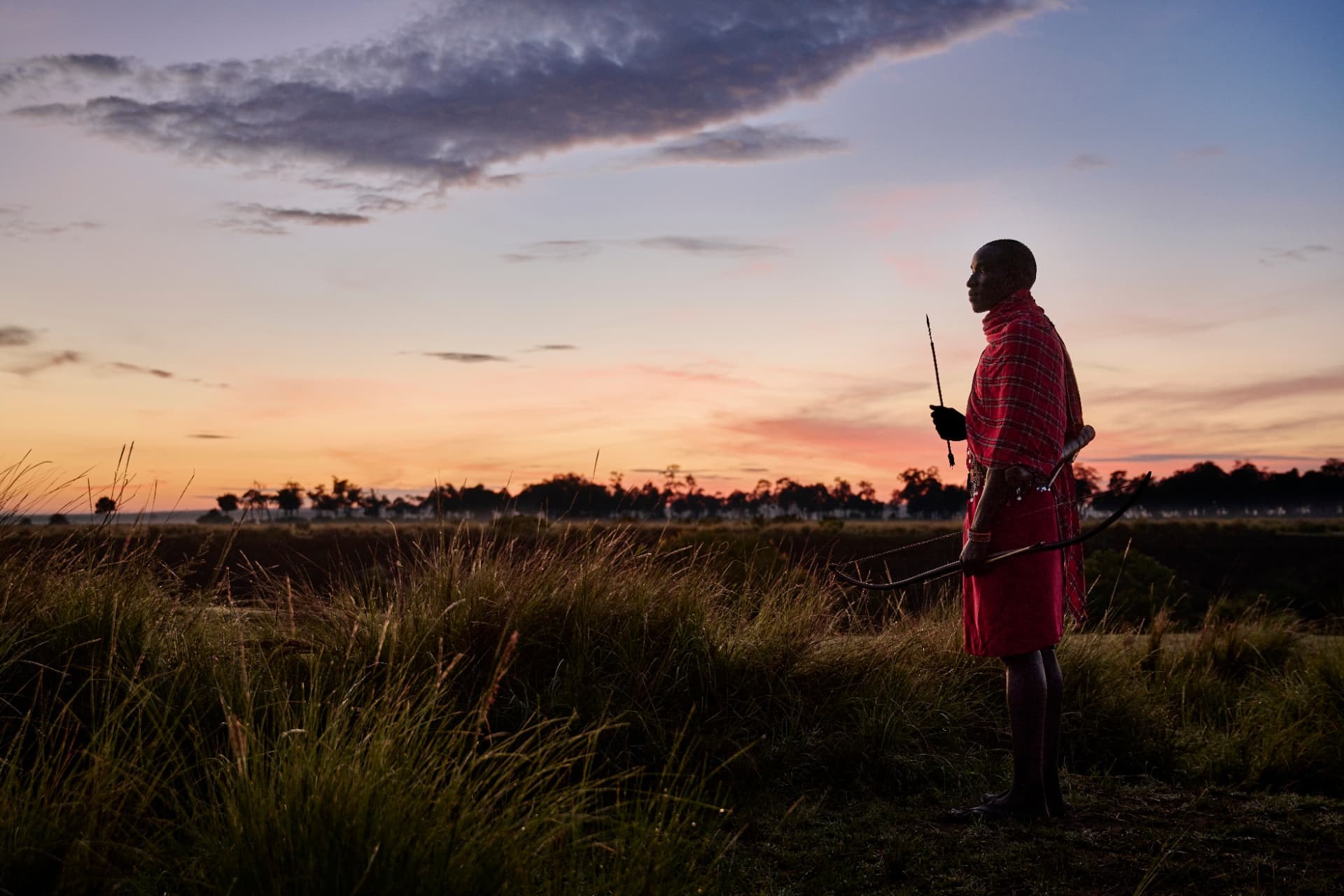
East Africa · Kenya safaris
Open plains, remarkable wildlife and room to explore.
The Maasai Mara, Laikipia and Samburu — a classic East African safari with private conservancies, varied landscapes and the option of time on the coast.
Photo by NuVia Safaris
Best for
- ●First-time safari-goers
- ●Big cats and open plains
- ●Conservancy-based safaris
- ●Safari + beach trips
Our honest take
The Mara deserves its reputation, but popular sightings can attract many vehicles. The right conservancy and guide can make more difference to your experience than a famous camp name. River crossings are a possibility, not a promise.
When to go
Jul – Oct
Dry-season wildlife viewing. Migrating herds often reach the Mara during these months, but timing and river crossings are never guaranteed.
Jan – Mar
Generally warm and relatively dry. Excellent resident wildlife viewing without the peak migration crowds.
Apr – May, Nov
The main rains usually fall in April and May, with shorter rains around November. Greener landscapes and quieter camps; access and openings vary.
How it works
Scheduled bush flights connect Nairobi with the Mara and northern safari areas. Combine a few nights in each ecosystem rather than spending the whole trip moving between them. Activities depend on the conservancy and camp.
Key regions
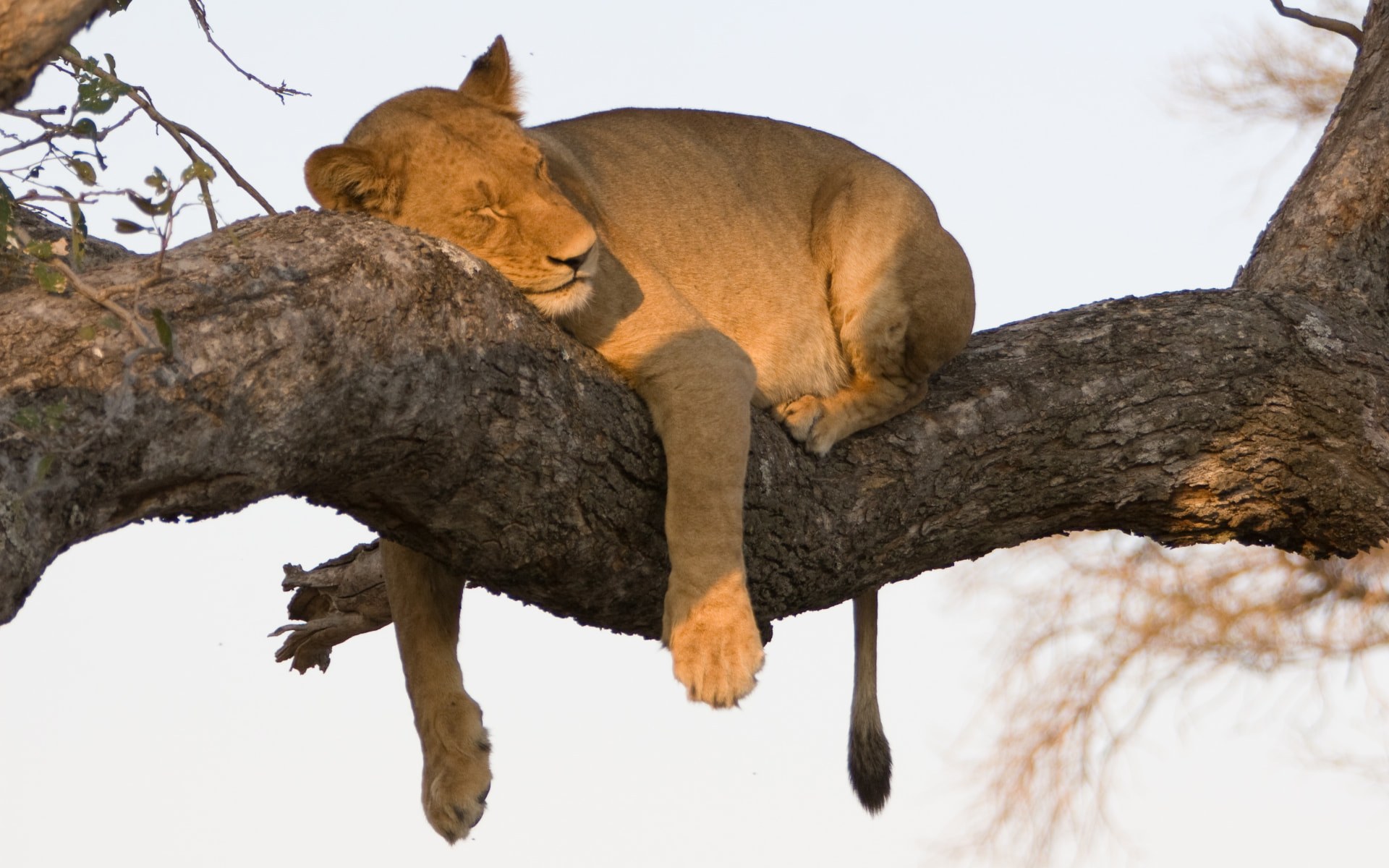
Maasai Mara
Big cats, open plains and seasonal migrating herds; nearby conservancies offer a different pace.
Photo by NuVia Safaris
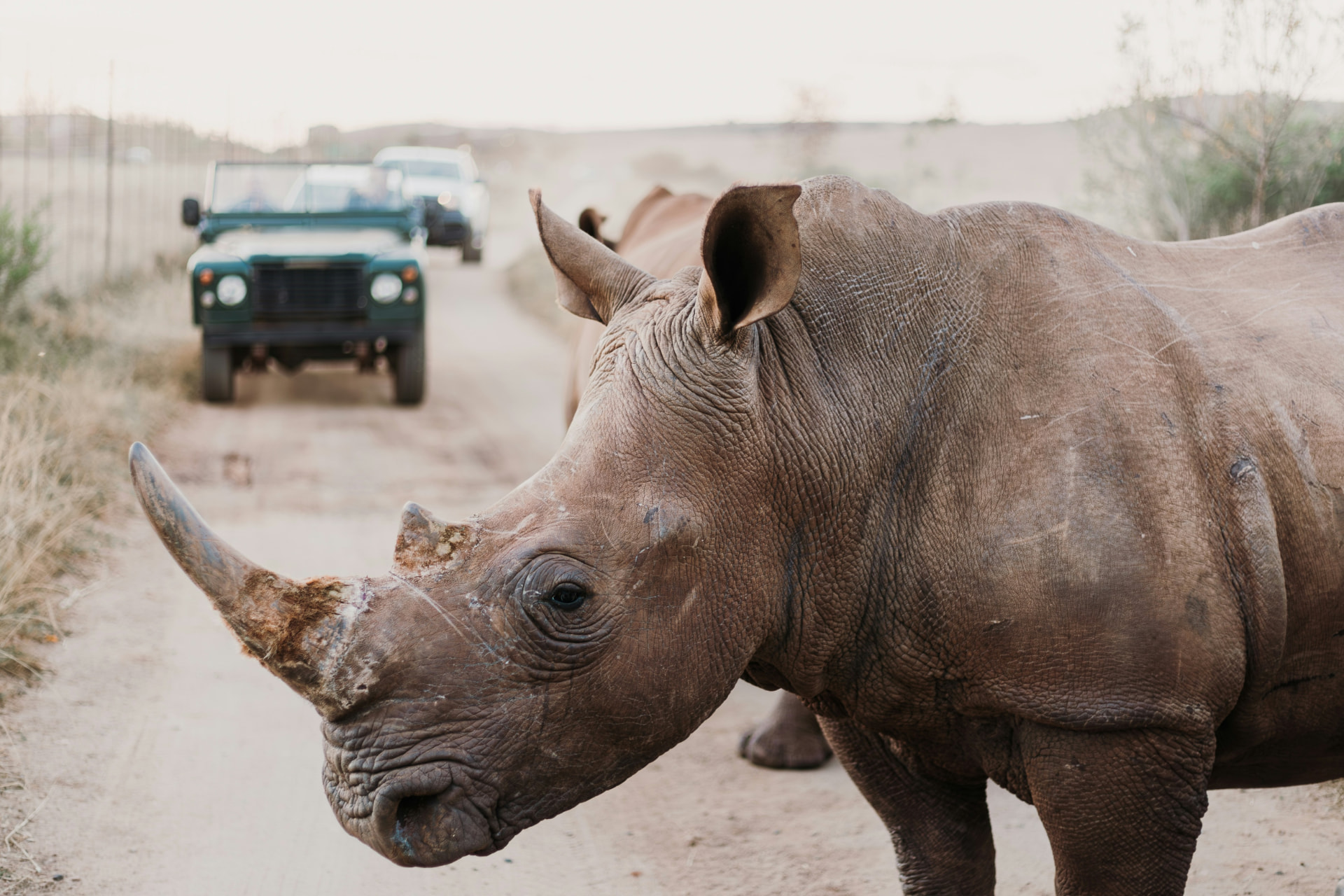
Laikipia
Private conservancies, varied activities and important rhino conservation areas.
Photo by Priscilla Du Preez
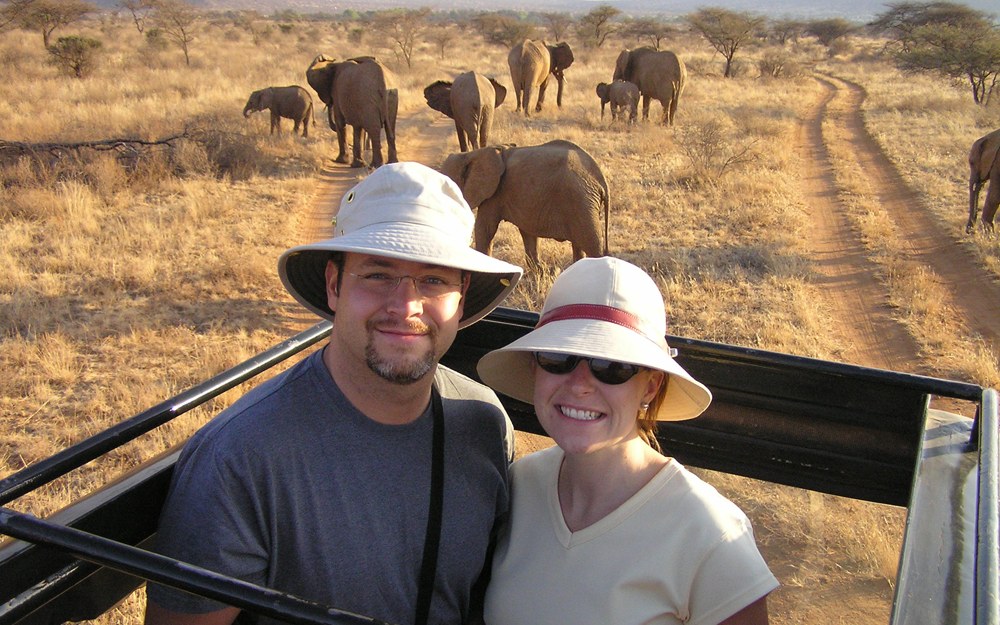
Samburu
Dry northern landscapes and distinctive species such as Grevy's zebra and reticulated giraffe.
Photo by NuVia Safaris
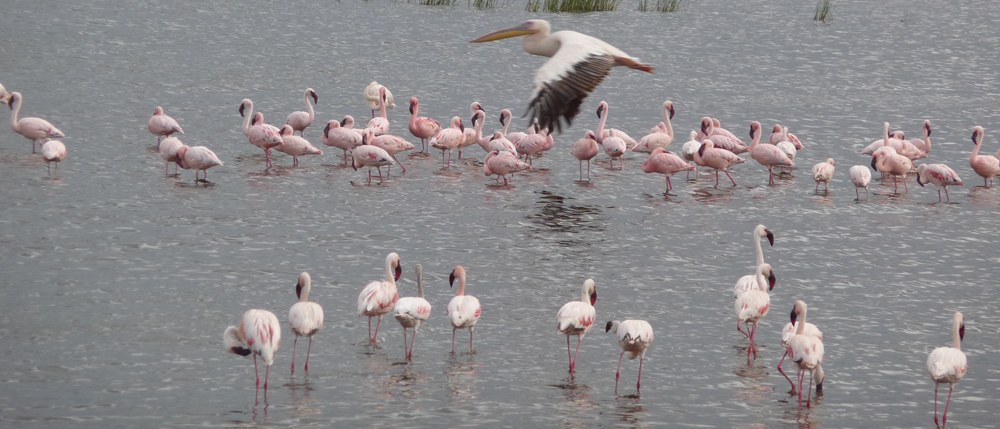
Kenya's rift valley lakes bring flamingos, pelicans and waterbirds into the same journey as the plains.
Photo by NuVia Safaris
Signature experiences
What makes Kenya special
Conservancy game drives
Private conservancies bordering the Mara limit vehicle numbers and allow off-road driving, walking and night drives.
Walking with Samburu or Maasai guides
On foot, the bush becomes about tracks, plants and birds — a slower, deeper way to read the land.
Northern specials in Samburu
Reticulated giraffe, Grevy's zebra, gerenuk and Beisa oryx — species you won't see further south.
Rhino conservation in Laikipia
Several Laikipia conservancies protect black and white rhino and welcome visitors to learn how.
Hot-air balloon at dawn
Drifting over the Mara plains at first light, followed by breakfast in the bush.
Swahili coast to finish
Lamu, Watamu or Diani add slow days of dhow sailing, reef and old-town lanes.
How long to stay
Seven to ten nights covers two or three ecosystems comfortably: the Mara plus Laikipia or Samburu. Add three to four nights if you'd like the coast.
Pairs well with
Kenya pairs naturally with Uganda or Rwanda for gorillas, or with the Indian Ocean coast for a beach finish.
Illustrative itinerary · 9 nights
Conservancies and the north
1 night
Nairobi
Rest after the long-haul flight; optional giraffe or elephant conservation visit.
4 nights
Maasai Mara conservancy
Game drives, night drives and guided walks with limited vehicle numbers.
3 nights
Laikipia
Rhino conservation, walking, camel or horseback options.
1 night
Nairobi or onward
Day room before your flight, or continue to the coast.
Transfers: Scheduled light aircraft from Wilson Airport to the Mara (roughly 45–75 minutes) and between the Mara and Laikipia. Road transfers are possible but take most of a day.
An example of pacing, not a fixed package — every trip is tailored.
Budget guidance
What a Kenya safari costs
Typically $750 – $3,500 per person per night on safari, depending on season and camp level
Usually included
- — Accommodation, meals and most drinks at safari camps
- — Shared game drives and camp activities
- — Park or conservancy fees (confirm per quote)
Usually extra
- — International flights
- — Visas and travel insurance
- — Gratuities
- — Premium drinks and optional extras
- — Optional hot-air balloon flight
Assumptions: Two adults sharing, mid-season, shared vehicle, scheduled flights between areas. Guideline only; it varies by season and camp.
Why similar trips cost differently
Two Mara trips with the same nights can differ widely: a conservancy camp with vehicle limits and conservancy fees costs more than a camp in the main reserve, and migration season (around July–October) carries peak rates.
Reserve & camp trade-offs
Main reserve vs conservancy
The reserve offers river-crossing access; conservancies offer fewer vehicles, night drives and walks.
One area vs two
Adding Laikipia or Samburu brings different species and scenery but adds a flight.
Shared vs private vehicle
Private vehicles suit families and photographers; shared is fine for most couples.
Works especially well for
First-time safari couples
Short flights, dense wildlife and flexible activities.
Families with older children
Conservancy walks and cultural visits keep teens engaged.
Migration chasers
River crossings are often seen around August–October.
Kenya FAQs
When is the Great Migration in Kenya?+
The herds are usually in the Mara from around July or August to October, but timing varies each year.
Do I need a visa?+
Most visitors need an electronic travel authorisation applied for online before travel; check current government guidance.
Is Kenya good for a short safari?+
Yes. Four or five nights in one conservancy can deliver an excellent safari.
First safari? Perfect.
You don't need to know Botswana from Tanzania yet. Tell us how you like to travel — we'll make the five pieces fit.
Read the first-safari guide: what to pack, when to go, how to book →