
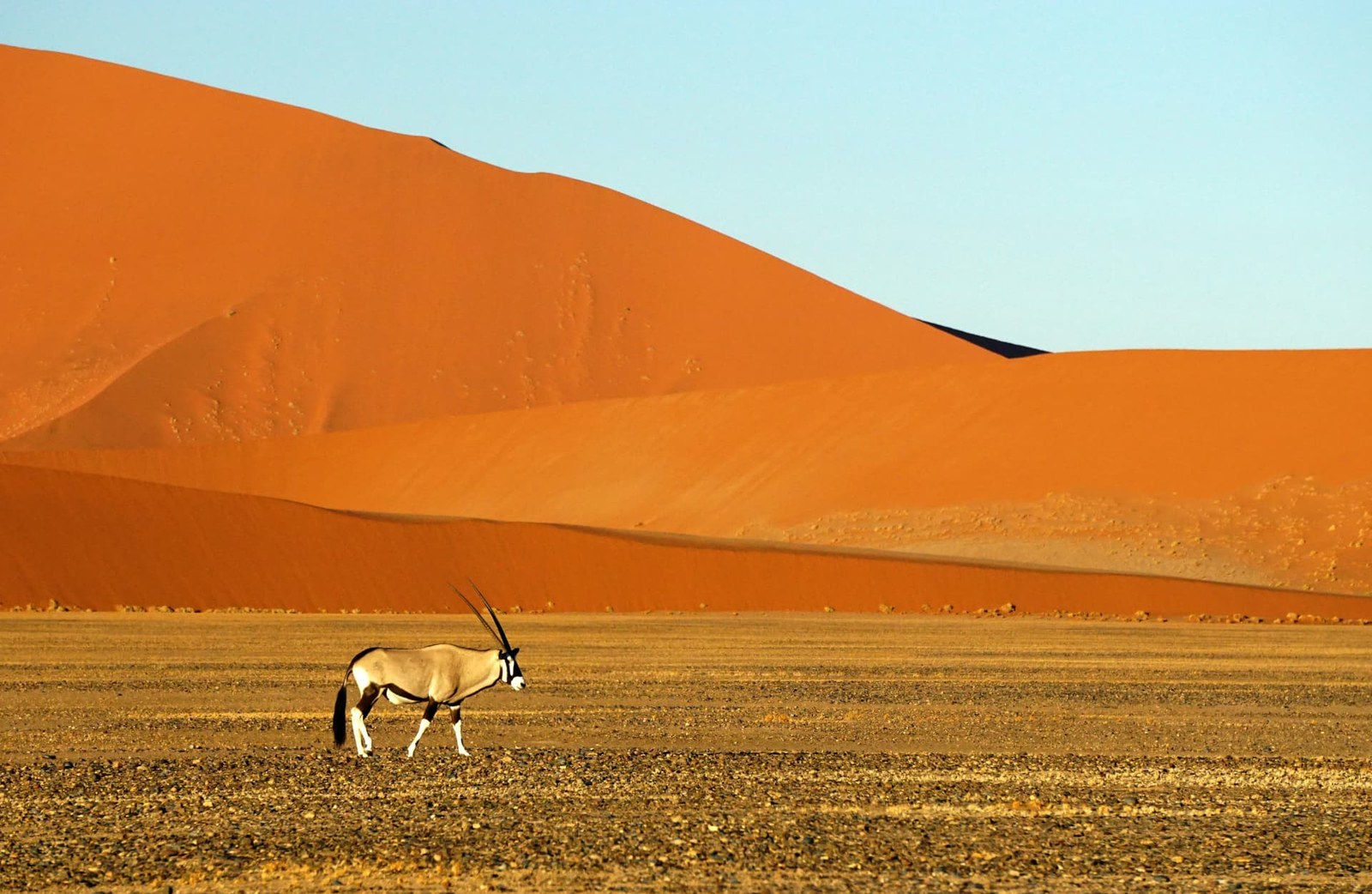
Southern Africa · Namibia safaris
Desert dunes, vast horizons and a different kind of safari.
Sossusvlei, Damaraland and Etosha — extraordinary landscapes, desert-adapted wildlife and journeys where the space between places is part of the experience.
Photo by Joe McDaniel
Best for
- ●Landscape and photography lovers
- ●Travelers drawn to wide-open spaces
- ●Safari-goers seeking something different
- ●Scenic fly-in journeys
Our honest take
Choose Namibia for its landscapes as much as its wildlife. It isn't a substitute for the dense big-cat sightings of the Mara or Serengeti. A well-paced route is essential: the map makes the distances look deceptively manageable.
When to go
May – Oct
Generally dry, with cooler nights. Wildlife often concentrates around Etosha's waterholes as the dry season progresses.
Apr, Nov
Transition months with changing conditions and potentially quieter travel. November can be very hot inland.
Dec – Mar
Summer heat and possible rain, especially inland and in the north. Greener scenery, but animals can disperse away from waterholes.
How it works
Fly-in itineraries reduce long road transfers and reveal the landscape from above. Privately guided road trips give more time to explore, but distances are substantial. Build in enough nights at each stop.
Key regions
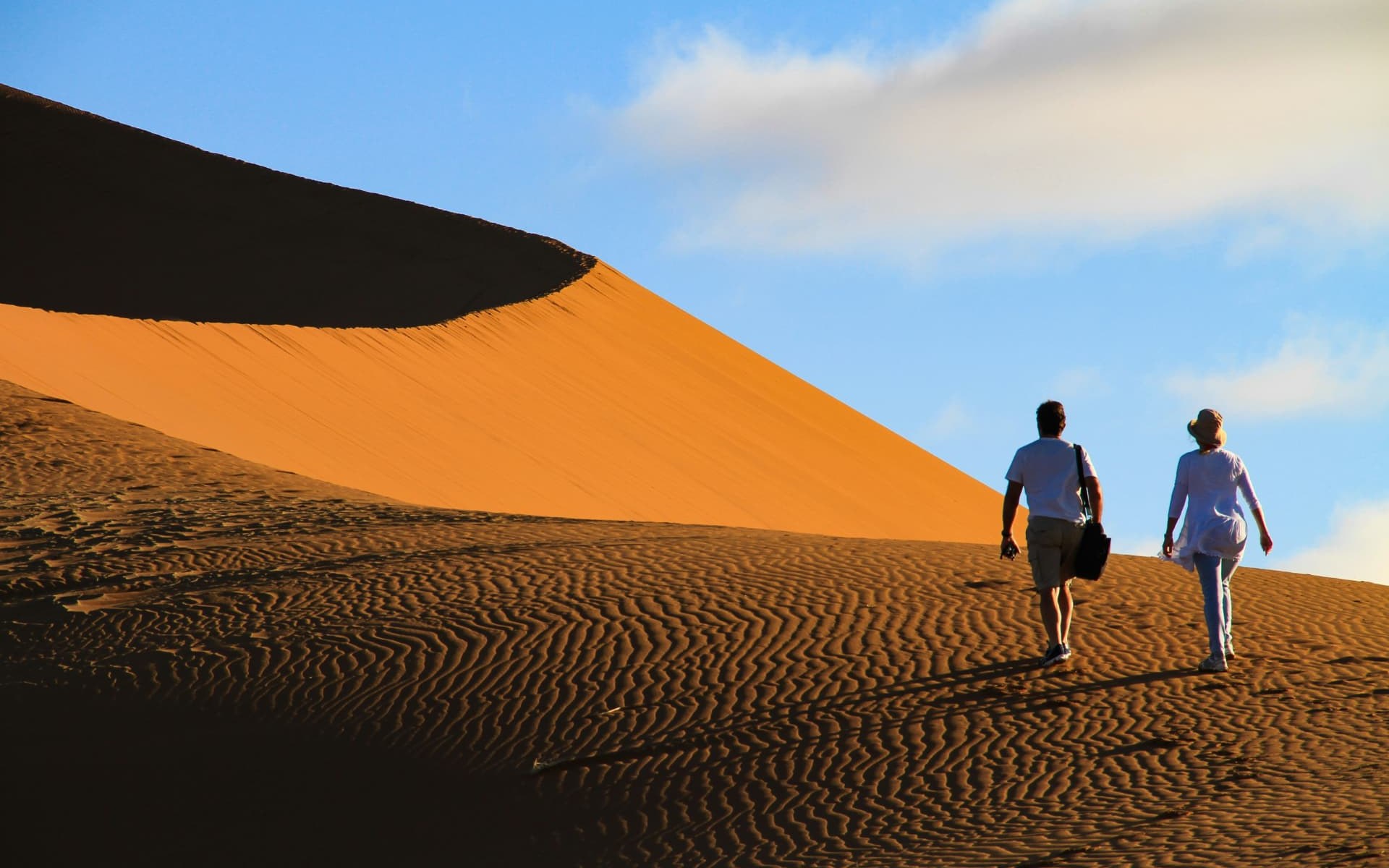
Sossusvlei
Towering dunes, Deadvlei and desert light worth an early start.
Photo by Werner du Plessis
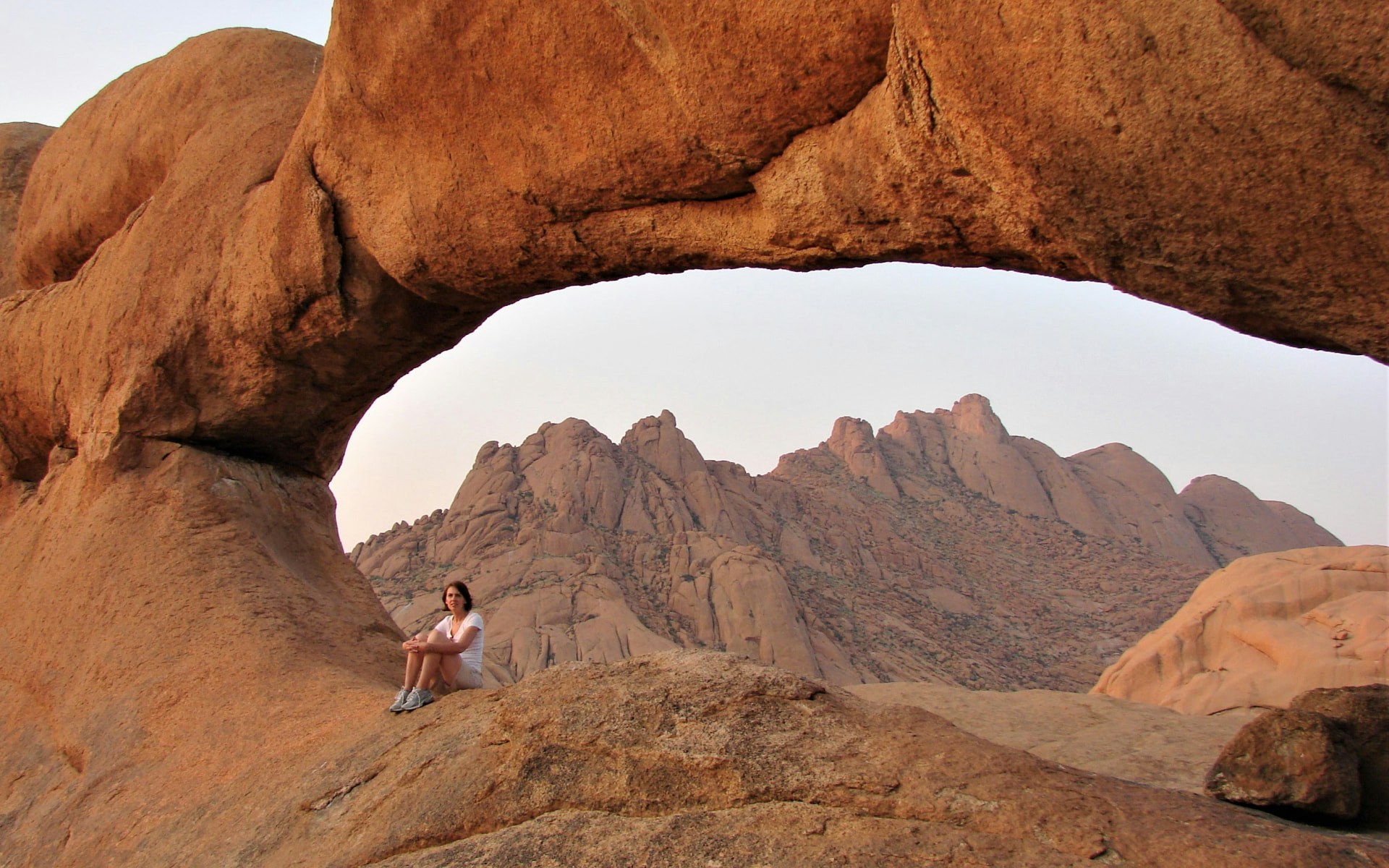
Damaraland
Rocky landscapes, desert-adapted elephants and specialist tracking experiences.
Photo by Vicky Sim
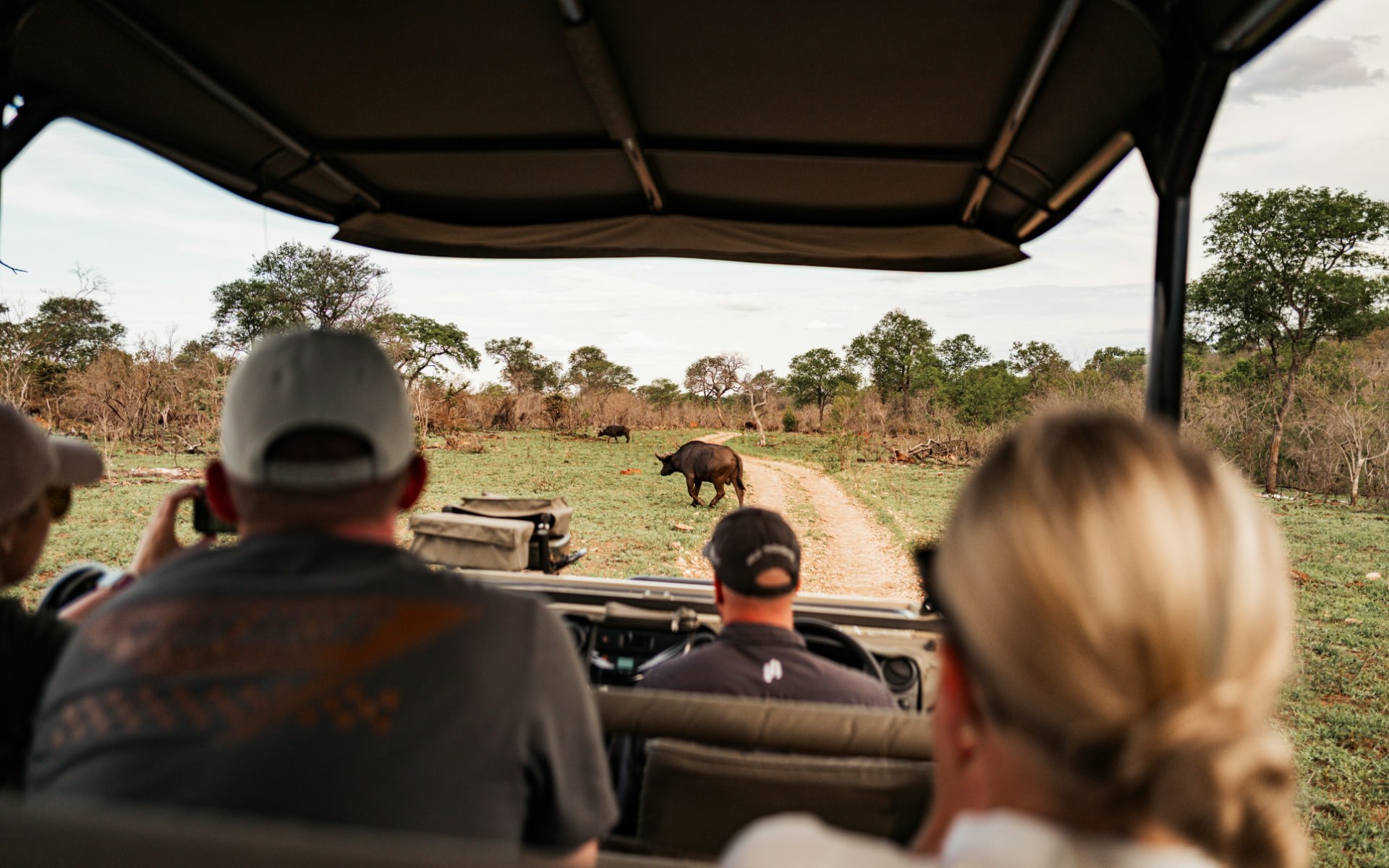
Etosha
A vast salt pan and productive dry-season waterholes.
Photo by Mario Scheibl
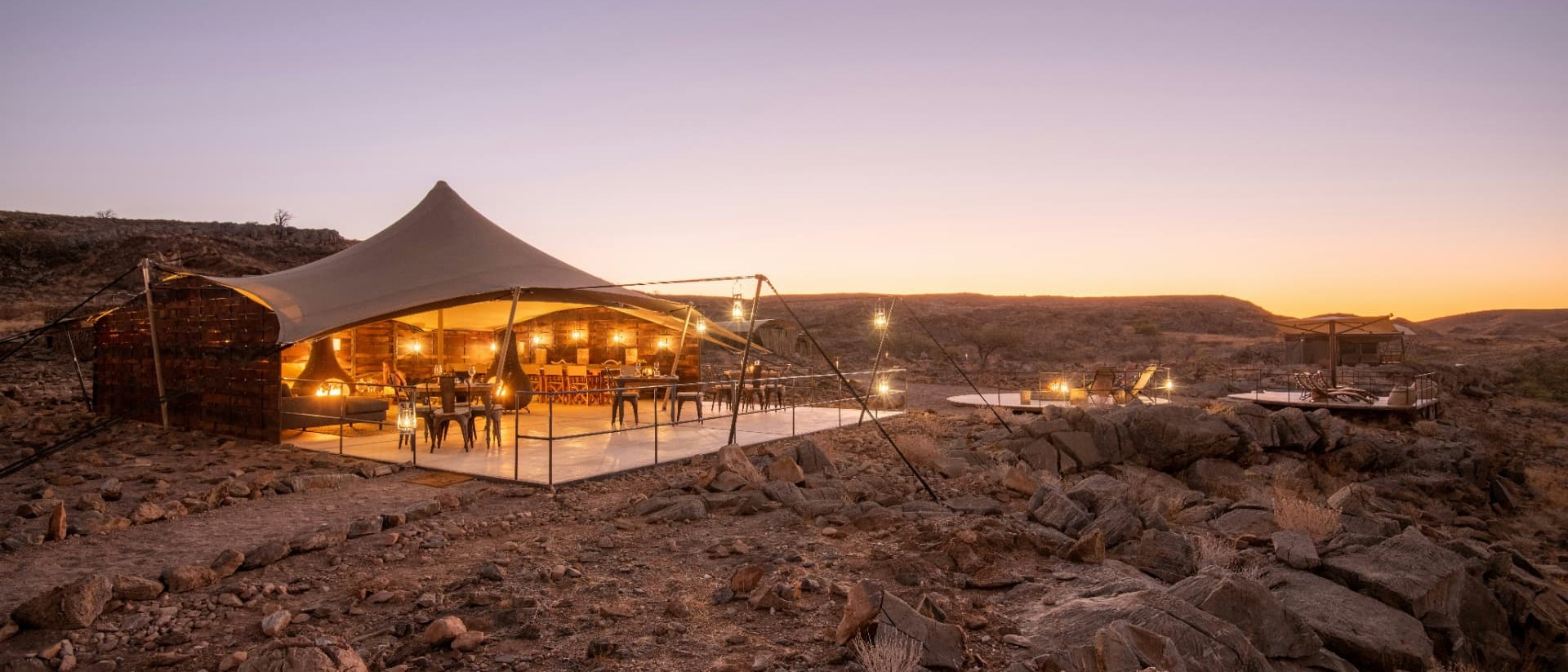
Lantern light at the end of a desert day — the pause between one landscape and the next.
Photo by Ultimate Safaris Namibia
Signature experiences
What makes Namibia special
Sossusvlei at sunrise
Climbing towering red dunes as first light reaches Deadvlei's ancient trees.
Desert-adapted wildlife
Tracking elephants and, in some areas, rhino that survive in Damaraland's dry river valleys.
Etosha waterholes
In the dry season, wildlife gathers around waterholes on the edge of a vast salt pan.
Skeleton Coast
A wild, misty coastline of shipwrecks, seal colonies and dramatic dunes.
Stargazing
Some of the darkest skies anywhere — many lodges make the most of them.
Scenic flights
Fly-in itineraries turn transfers into part of the experience.
How long to stay
Ten to fourteen nights to cover the desert, Damaraland and Etosha at a calm pace; fly-in routes can fit more into fewer days.
Pairs well with
Namibia pairs well with Botswana or Cape Town.
Illustrative itinerary · 10 nights
Desert to waterholes
1 night
Windhoek
Arrive and collect a vehicle or meet your guide.
3 nights
Sossusvlei
Sunrise on the dunes and Deadvlei.
3 nights
Damaraland
Desert-adapted wildlife tracking and rock art.
3 nights
Etosha area
Waterhole game viewing, ideally in a private reserve on the park edge.
Transfers: A self-drive or guided road trip with long but scenic driving days; a fly-in option cuts travel time considerably at a higher cost.
An example of pacing, not a fixed package — every trip is tailored.
Budget guidance
What a Namibia safari costs
From around $750 per person per night for guided premium trips; fly-in safaris sit higher
Usually included
- — Accommodation and most meals
- — Guided activities at lodges
- — Vehicle rental or guide (by trip style)
Usually extra
- — International flights
- — Visas and travel insurance
- — Gratuities
- — Premium drinks and optional extras
- — Fuel on self-drive trips
- — Some park fees
Assumptions: Two adults sharing, guided road trip, mid season. Guideline only; it varies by season and camp.
Why similar trips cost differently
Self-drive, guided road and fly-in versions of the same route can have very different prices — the mode of travel matters more here than in most countries.
Reserve & camp trade-offs
Self-drive vs guided vs fly-in
Self-drive is flexible; a guide adds insight; flying saves days and shows the landscape from above.
Inside vs outside Etosha
Private reserves next to the park offer exclusivity and night drives.
Few long stays vs many short ones
Distances are big; three nights per stop keeps it relaxed.
Works especially well for
Landscape lovers and photographers
Dunes, desert light and huge skies.
Independent travellers
Excellent roads and lodges for self-drive.
Second-time safari-goers
A different kind of safari from East Africa.
Namibia FAQs
Is self-drive safe?+
Many people self-drive Namibia comfortably; distances and gravel roads require care and planning.
When is best?+
The dry season (around May–October) is best for Etosha's waterholes.
Is it good for families?+
Yes, especially with older children who enjoy road trips.
First safari? Perfect.
You don't need to know Botswana from Tanzania yet. Tell us how you like to travel — we'll make the five pieces fit.
Read the first-safari guide: what to pack, when to go, how to book →