
By Stefan Terwindt ·
Gorilla trekking Uganda: where the planning starts
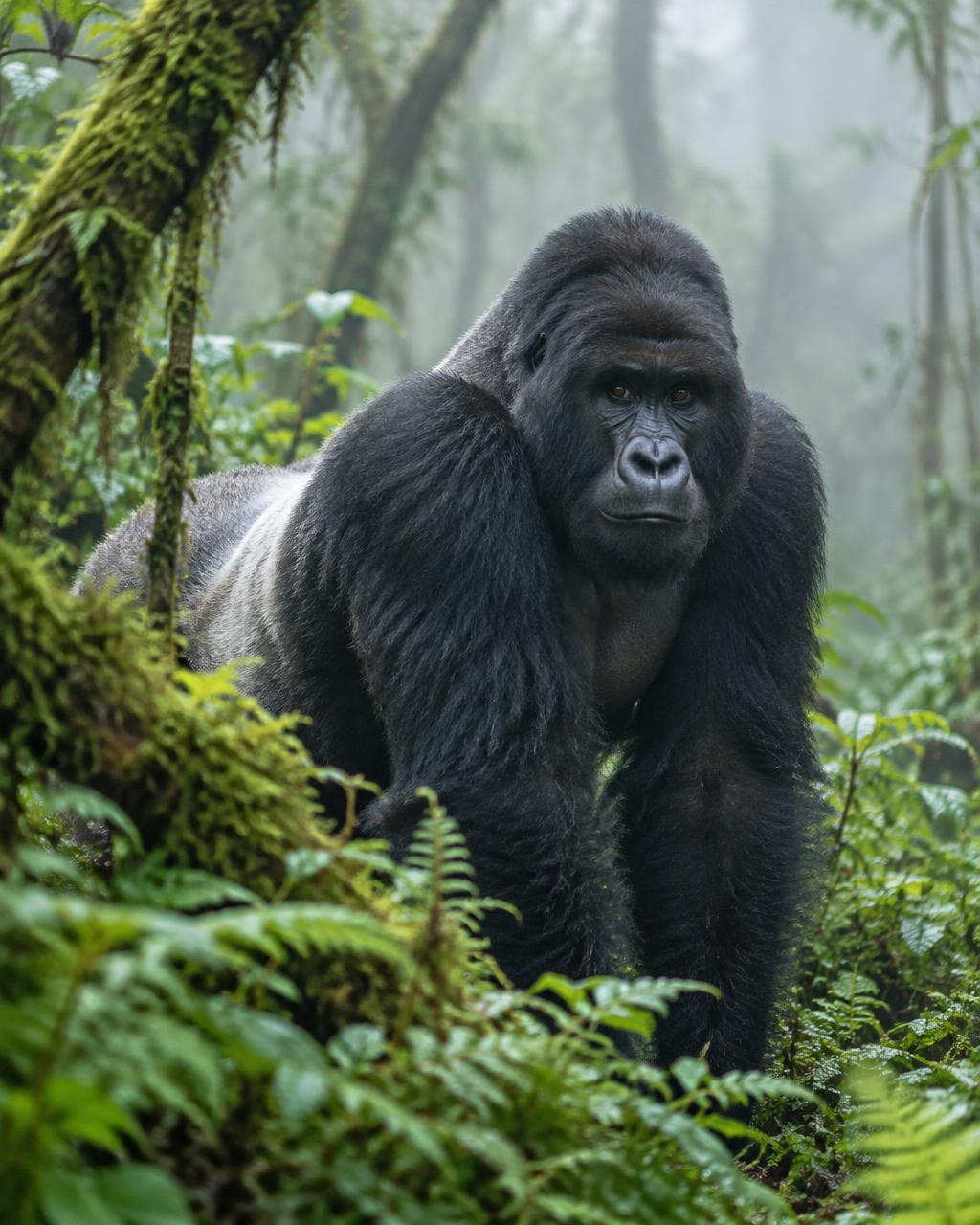
Uganda’s mountain gorilla trekking takes place in Bwindi Impenetrable National Park and Mgahinga Gorilla National Park. Within Bwindi, different trekking sectors have different access arrangements and nearby accommodation. A permit and a lodge that both mention Bwindi are not necessarily conveniently located for one another. Confirm the actual starting area before fixing your transport or booking rooms independently.
Start with your travel dates, the available permits and the needs of everyone walking. Then match accommodation and transfers to that plan. A remote forest setting may be part of the attraction, but long road journeys and early briefings deserve realistic treatment. Spending the night in the appropriate area before your trek is usually far more sensible than trying to approach from a distant base that morning.
Gorilla permits and booking ahead
Each standard trek requires the appropriate permit, issued under Uganda Wildlife Authority arrangements. Availability is limited, and popular dates can fill well ahead. Your operator should confirm the date, trekking area, traveler details required and current payment conditions. Do not assume a tentative itinerary means a permit has been secured. Ask what has actually been reserved and when confirmation becomes binding.
Permit prices, eligibility rules and cancellation or rescheduling terms can change, so verify current details rather than relying on an old article or forum discussion. If a particular day is essential, resolve permit availability before building the rest of the trip around it. Standard trekking and longer specialist experiences are not interchangeable products; make sure the activity described in your itinerary is the one you intend to book.
What happens on a gorilla trekking day?
The day usually starts with a transfer to the briefing point, where officials check arrangements and explain behavior in the forest. Ranger teams organize visitors and provide instructions before setting off. Local tracking information helps guide the search, but gorillas move and conditions change. The route is determined by where they are, not by a fixed walking circuit with a predictable finishing time.
You may walk on established paths and then continue through denser vegetation, with steep slopes, roots and mud underfoot. Some treks are relatively short; others take several hours and feel demanding. Once the family is located, the standard viewing period is usually about an hour, subject to the applicable rules and the ranger’s directions. The return walk still lies ahead, so keep drinking water and pace yourself throughout.
Fitness, mobility and hiring a porter
Reasonable walking fitness helps, but a familiar distance on level pavement is not a useful measure of how forest terrain will feel. Practice on uneven paths and hills if possible, wearing the footwear you intend to bring. Tell your planner about knee problems, balance concerns or other limitations early. Requests for a less demanding group may be considered locally, but an easy trek cannot be guaranteed.
A porter can carry your daypack and offer practical support on awkward sections. Hiring locally can also direct income into surrounding communities. Discuss current arrangements, payment and any additional assistance before the trek rather than assuming everything can be organized at the last moment. Support can make the day more manageable, but it does not turn a steep forest into a predictable or universally accessible walk.
Health precautions and respectful gorilla viewing
Mountain gorillas are vulnerable to human illness. If you feel unwell, report symptoms to your operator and the ranger team before entering the forest, and follow current health requirements. Ask in advance what happens if illness prevents participation, including the relevant permit and insurance terms. A close wildlife encounter is never a good reason to conceal symptoms or disregard instructions designed to protect the animals.
During viewing, maintain the distance directed by the rangers, do not touch the gorillas, and follow instructions if an animal approaches. Keep your voice low and avoid sudden movements. Flash photography is not appropriate. Mask requirements and other procedures may change, so arrive prepared to follow the current briefing rather than relying on what someone else was allowed to do on a previous visit.
What to wear and carry in the forest
Wear long pants and sleeves that protect against vegetation, plus sturdy boots with reliable grip. Waterproofing helps, but so does having worn the boots before departure. Gardening-style gloves can be useful when gripping vegetation, provided you follow the ranger’s guidance about where to place your hands. A rain jacket belongs in your bag even when the morning begins clear; forest weather can shift quickly.
Carry drinking water, the packed food arranged with your lodge and any essential medication. Keep electronics protected from rain, ideally with a simple waterproof layer inside your pack. A comfortable daypack is more useful than carrying every lens you own. Ask whether a walking stick is available locally and what the lodge provides. Pack dry clothing for afterward, when damp sleeves and muddy socks will feel less charming.
Photography without missing the encounter
Forest light can be dim and contrasty, with animals partly hidden by leaves. Familiarize yourself with your camera before traveling and choose equipment you can manage while walking. A versatile setup is often more practical than repeatedly changing lenses in a damp environment. Keep batteries charged and storage available, but do not let technical preparation become a burden your traveling companions must carry.
When viewing begins, take a few photographs and then lower the camera. Watching a youngster climb or noticing how a group rests can be more memorable than collecting near-identical images. The rangers decide positioning and movement, so a clear portrait is never guaranteed. Avoid stepping backward or moving around vegetation without awareness of the group and the terrain. Safety and the animals’ comfort matter more than a photograph.
Planning checklist and authoritative sources
Gorilla permits in Uganda are issued by the Uganda Wildlife Authority (UWA). Permit prices, age limits and rules can change, so always check UWA’s official website before booking. At the time of writing, trekkers must be at least 15 years old, and each habituated gorilla family is visited by a small group for about one hour.
- ●Book permits 6–12 months ahead for peak months (June–September, December–February).
- ●Choose your sector in Bwindi (Buhoma, Ruhija, Rushaga, Nkuringo) — your lodge should be near your trekking start point.
- ●Or consider Mgahinga, where one habituated family can be trekked.
- ●Check entry and health requirements with your local travel clinic and current government travel advice; carry proof of yellow fever vaccination.
- ●Do not trek if you have a cold or other contagious illness — gorillas are vulnerable to human diseases.
A sample 7-night Uganda itinerary
- ●Night 1: Entebbe, near the airport.
- ●Nights 2–3: Kibale Forest for chimpanzee tracking.
- ●Nights 4–5: Queen Elizabeth National Park — Kazinga Channel boat trip and savanna game drives.
- ●Nights 6–7: Bwindi — one gorilla trek, with a spare day for a second trek, a community walk or rest.
- ●Day 8: Fly back to Entebbe for your international flight.
Combining gorillas with a safari at a sensible pace
Uganda can offer a broader trip with forest and savanna experiences, or gorilla trekking can combine with a plains safari in Kenya or Tanzania. Either approach needs careful sequencing. Look at flight days, road transfers, entry requirements and permit availability together. A connection that seems simple between country names may involve multiple airports, an overnight stop or a lengthy drive after landing.
Leave breathing room around the trek rather than planning a tight onward departure that depends on finishing early. Use The Safari Fit to connect the destination and season with transport, accommodation and the people traveling. The best plan respects the physical effort and unpredictability of the day. That preparation gives you a better chance to arrive calm, listen to your guides and appreciate the forest as part of the experience.
Keep planning
Explore Uganda safaris →