
By Stefan Terwindt ·
What green season means for safari planning
Green season is a travel term, not a single weather pattern across Africa. Rainfall timing differs between regions, and conditions can change within the same country. East African seasonal patterns should not be treated as identical to those in southern Africa. Even nearby areas may respond differently because of altitude, soils, drainage, and the timing of recent rain.
Ask what the proposed dates usually mean in the specific area you will visit. Is it the start of the rains, a wetter period, or a transition toward drier conditions? Does rain typically affect activities, roads, or access flights? Historic patterns help with planning but do not predict a particular week. A good proposal explains why the itinerary works under a reasonable range of conditions rather than promising a convenient afternoon shower followed by perfect sunshine.
Why a green landscape can change the experience
Fresh vegetation can transform the character of a place. Dry ground becomes textured with grass, trees gain leaves, and skies sometimes create dramatic contrasts for photography. Travelers who enjoy landscapes may find this just as engaging as a close wildlife encounter. There is also pleasure in watching a system respond to water, from small creatures emerging to the changing sounds around camp.
Rain does not need to be romanticized to be worthwhile. An overcast morning can be beautiful, but several wet outings can test anyone’s patience. Covered communal spaces, comfortable rooms, and a flexible guiding team become more important when you spend longer at camp. Choose a property you would enjoy during an unplanned quiet afternoon, not merely somewhere to sleep between an ambitious list of activities. Ask whether the team can offer informal talks or other suitable downtime activities, while recognizing that staffing and facilities vary between properties.
Green season wildlife viewing: advantages and limits
With more water available, some animals can spread out rather than gathering around a few remaining sources. Leafier vegetation may reduce visibility, and sightings can require patient searching. That does not mean wildlife disappears. It means the pattern of viewing changes, and a dry-season expectation of easy concentration may be the wrong benchmark for the trip.
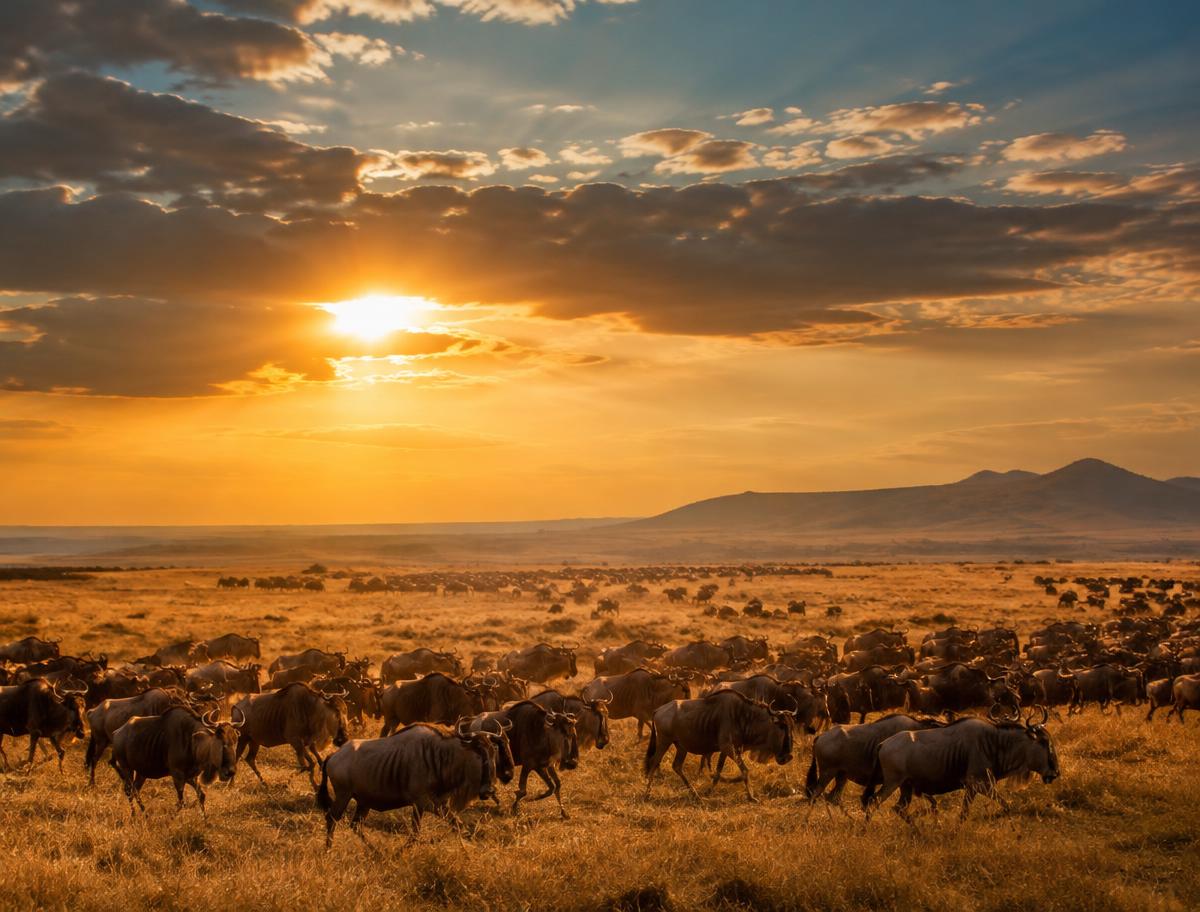
Some areas have seasonal wildlife events, breeding activity, or strong birding interest that can make wetter months appealing. Their timing is not interchangeable across destinations, and no particular birth, migration movement, or predator encounter can be guaranteed. Plan around habitat and seasonal probabilities, then leave room for what actually happens. A guide who enjoys interpreting behavior and smaller details can help make the experience rewarding beyond a checklist of large mammals.
Where green season safaris can work well
Tanzania and Kenya offer possibilities for travelers who are willing to choose a specific region around the seasonal wildlife picture rather than follow a generic circuit. The best route may differ from a familiar dry-season itinerary. Ask whether each transfer remains sensible, how local roads behave after rain, and whether the chosen properties have a strong reason to operate during your dates.
Botswana, Namibia, and South Africa also require local judgment. Rainfall, water levels, and activity availability do not always move in step; water-based experiences in Botswana, for example, depend on more than rain falling at the property that week. In Namibia, long driving distances and variable road conditions deserve attention. A country-level green season recommendation is only a starting point, not enough information to finalize a route.
Are green season safaris better value?
Some properties offer lower rates outside their busiest periods, and availability may be less constrained. Neither is universal. Holiday dates, regional wildlife interest, and a limited number of operating properties can change the picture. Compare the entire itinerary rather than assuming that a lower room rate automatically means a less expensive trip.
Access costs and minimum stays still matter. A discounted stay that requires an extra overnight, an awkward connection, or a private transfer may not be the best value. Equally, a quieter property with excellent guiding and enough time to settle in can be a strong choice even when the saving is modest. Think of value as the quality and suitability of the experience for the full amount you spend, not a percentage removed from a seasonal rate.
Packing and logistics for safari in the rains
Bring practical rain protection, quick-drying layers, and a way to keep camera equipment and documents dry. Ask about vehicle covers and laundry arrangements, remembering that drying may take longer in damp weather. Footwear should suit the activities you actually plan to do. A light layer can still matter on a cool drive, even when the destination looks warm on an annual climate chart.
Build a route with sensible connections and ask what happens if weather disrupts access. The answer should include communication, operational alternatives, and who helps coordinate changes, not a promise that disruption never occurs. Review insurance wording for the activities, locations, and types of delay involved. For personal health precautions, including mosquito-borne disease advice where relevant, consult a qualified travel health professional rather than relying on seasonal assumptions.
Who should choose a green season safari?
Green season travel often suits people who enjoy atmosphere, birds, landscapes, and a less rigid daily agenda. It can also appeal to returning safari travelers who want to see familiar habitats in a different state. It may be less suitable if your enjoyment depends on a particular activity operating every day, consistently clear photography conditions, or highly predictable road transfers. Be honest about how you respond when weather changes the plan.
Use The Safari Fit before making the decision. Where identifies the exact region; When places your dates within its local seasonal pattern; How tests transport and weather alternatives; Where you stay considers shelter, comfort, and guiding; Who you travel with accounts for patience, interests, and practical needs. NuVia Safaris can help weigh these choices without treating rain as either a bargain slogan or a reason to stay home. The right green season safari is one you choose for the experience it can realistically offer, with its uncertainties understood.
Keep planning
Match your travel dates to the right safari →