
By Stefan Terwindt ·
What a hot-air balloon safari actually feels like
Balloon outings usually begin well before sunrise with a transfer to the launch area. The precise timing depends on your camp, the operator, and local arrangements. You may spend time watching preparations and receiving a safety briefing before boarding. The early start is part of the experience, and it is worth considering how that fits after an international arrival or several busy safari mornings.
Once airborne, the view is shaped by altitude, light, visibility, and the route the wind permits. There may be quiet stretches between burner use, but it is not continuously silent. Wildlife can appear small from above, and some of the most rewarding moments may involve patterns in the land rather than an obvious animal encounter. If that wider perspective sounds appealing in its own right, you are starting with more realistic expectations than someone hoping mainly for close-up predator photographs.
Maasai Mara versus Serengeti balloon safaris
Both the Maasai Mara in Kenya and Serengeti in Tanzania can offer balloon experiences in open safari landscapes. That does not make every departure equally practical for every itinerary. Operators launch from specific areas, and the distance between your accommodation and the relevant launch site matters. A flight that looks convenient on a destination list may require a lengthy pre-dawn transfer from your actual camp.
In the Serengeti especially, the scale of the landscape makes location an important planning question. Ask which operating area serves your accommodation and whether the flight fits the season and route you have chosen. In the Mara, also clarify access from your specific reserve or conservancy location. There is no need to choose between countries solely for a balloon ride. Choose the stronger overall safari, then see whether an appropriately located flight adds something you genuinely want.
Why balloon routes and wildlife sightings cannot be promised
A balloon’s path depends substantially on wind conditions. Pilots can make use of available air currents through altitude changes, but a balloon is not a sightseeing vehicle that can turn toward any requested animal. The launch decision, route, and landing area are operational matters guided by conditions and safety. A booking should never be interpreted as a promise to fly over one particular herd, river, or viewpoint.
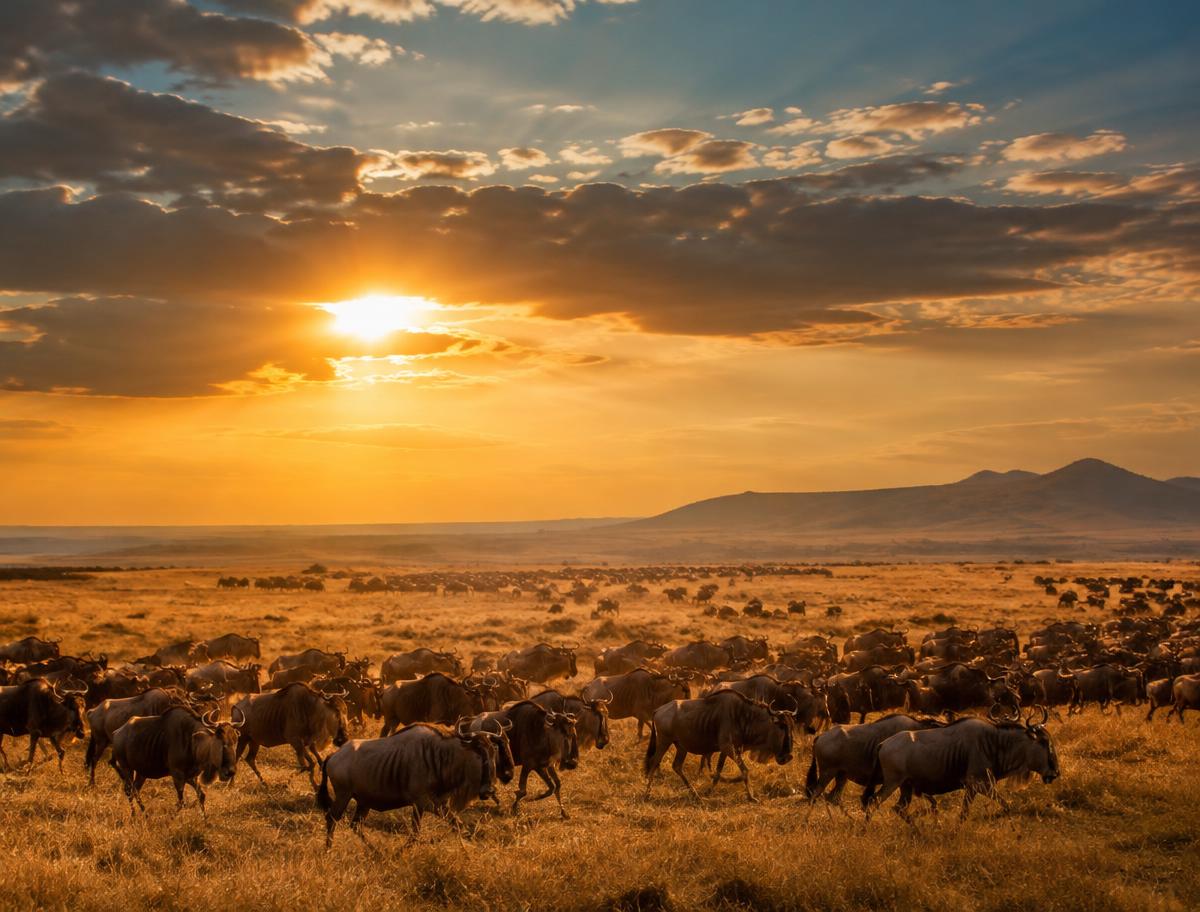
The same caution applies to migration expectations. Herd locations change, and a balloon flight does not secure a migration crossing from above. You may see wildlife, but the experience should remain worthwhile if sightings are limited or distant. Think of it as adding a landscape perspective to a ground-based safari. Your guide-led drives provide the opportunity for patient observation, explanation, and closer detail that a moving aerial route cannot consistently offer.
Balloon safari weather, cancellations, and flexibility
Weather can prevent a flight even when conditions seem acceptable to someone standing outside a tent. The operator’s assessment includes factors that may not be obvious to a guest. Safety decisions should rest with the qualified crew, not with the strength of your expectations or the fact that it is your last morning. Build your emotional plans around the possibility that the activity may not happen.
Before paying, ask for the current cancellation and refund terms, including what happens if the operator cancels and whether rescheduling is possible. A longer stay may provide more calendar flexibility, but it does not guarantee a replacement departure or available space. Also clarify how a canceled flight affects your normal morning drive. Sensible contingency planning means knowing what the alternative day looks like, not treating the balloon as the only reason that morning could be special.
Who should check balloon safari suitability carefully
A balloon basket is a functional operating space rather than a standard sightseeing seat. Depending on the equipment and procedures, boarding may involve climbing, standing may be required, and landing may involve a prescribed braced position. Landings can be bumpy or involve the basket tipping. Ask the actual operator about its boarding arrangements and physical requirements rather than relying on a general description from another traveler.
Operators may have restrictions related to age, height, pregnancy, weight, recent surgery, or health conditions. Requirements differ and can change, so seek the current written policy and medical advice where relevant. Be open about mobility limitations or concerns before booking. A fear of heights can feel different in a basket, but nobody should promise that you will be comfortable. Declining the flight is a reasonable choice; your safari does not become less complete because you prefer your morning on the ground.
What to wear and bring on a balloon safari
Dress for the conditions advised by your operator, usually with practical layers for an early start and closed shoes suitable for uneven ground. Clothing needs can change between the cool transfer and the warmer parts of the outing. Listen carefully to any restrictions on loose items, bags, and equipment. A large camera setup that works in a vehicle may be awkward in a shared basket with limited space.
For photography, prioritize safe handling and realistic aims. A broad landscape image may be more achievable than a tight animal portrait. Keep straps and equipment managed as instructed, and never let a photograph distract you from the pilot’s directions, particularly during launch and landing. Ask what can be carried before departure rather than discovering the limits at the launch site. Travelers who prefer simply to look can leave the pressure of recording every moment behind.
Is a balloon safari worth adding to your itinerary?
Compare the balloon with what it displaces, not only with the amount it costs. It may replace a regular morning game drive, involve a longer transfer, or use energy you would otherwise spend enjoying camp. Inclusions vary, so confirm transfers, meals or refreshments, and any related access requirements rather than assuming every operator offers the same package. Obtain current pricing through your planning process instead of budgeting from an old online example.
The Safari Fit gives a useful final check. Where determines access to the launch site; When affects weather possibilities and your available mornings; How covers the flight’s physical demands and early start. Where you stay determines transfer practicality. Who you travel with matters if only part of the group wants to fly. Add the experience when its ordinary realities appeal to you, not because a safari checklist says you should. A thoughtful ground safari remains a complete and rewarding choice.
- ●Confirm the operating area and actual pre-dawn transfer.
- ●Read current suitability, cancellation, and refund policies.
- ●Expect a wind-led route rather than a guaranteed wildlife encounter.
- ●Keep a worthwhile alternative plan for the morning.
Keep planning
Explore Tanzania safari planning →