
By Stefan Terwindt ·
Start your honeymoon safari planning with two separate wish lists
Before choosing a country, each of you should write down three things you genuinely want and two things you would rather avoid. Do this separately first. One person may picture a private dinner; the other may care much more about seeing elephants or spending several nights without packing. Neither preference is more sophisticated. Comparing those lists helps identify where to spend your money and where a simpler choice would serve you just as well.
Talk about ordinary travel habits too. How do you feel after an early alarm? Does one of you need quiet time after a busy day? Are you comfortable sharing activities with other guests? A honeymoon can carry a lot of unspoken expectations, especially after the intensity of a wedding. Turning those expectations into practical requests makes the trip easier to design. Choose a few priorities you both support rather than asking every day to deliver every possible experience.
Where to go on an African honeymoon safari
Kenya and Tanzania often suit couples who picture open landscapes and a wildlife-centered journey. Botswana may appeal if you value varied environments and are comfortable with the access arrangements of remote areas. South Africa can offer useful combinations of safari, city time, and food-focused travel. Namibia suits couples drawn to desert landscapes and a strong sense of space, though road distances deserve careful attention. None of these descriptions is a ranking: the right answer depends on the actual route.
Uganda and Rwanda bring a different emphasis when primate tracking is a central wish. Trekking can be physically demanding, conditions vary, and permits require careful planning. A honeymoon built around those experiences should allow for recovery rather than assuming every day will be effortless. Start with the wildlife or landscape you most want, then consider what reaching it involves. A destination that looks perfect in photographs may be less suitable if its transport rhythm conflicts with the honeymoon you want.
When to travel: separate your wedding date from your safari date
You do not have to depart immediately after the wedding. Waiting can give you time to recover, travel in a season that better matches your priorities, or build a more comfortable budget. Weather patterns vary across southern and eastern Africa, and familiar labels such as dry season do not describe identical conditions everywhere. Ask what your proposed month usually means for the specific places on your route, including vegetation, temperature, rain, and the activities you hope to do.
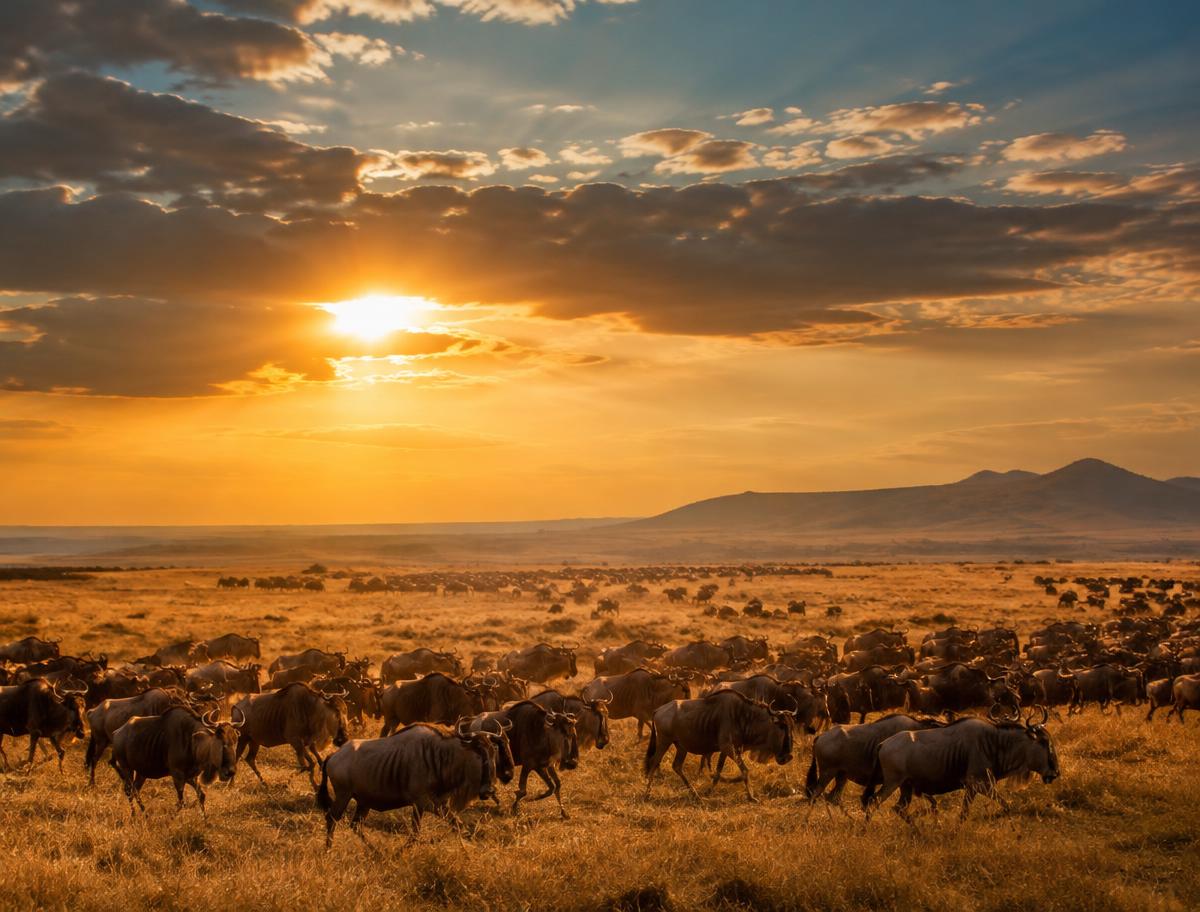
Wildlife movement is not an appointment, and an itinerary should not depend on a particular animal event happening on a particular afternoon. If your main interest is a seasonal movement, discuss its uncertainty openly and stay long enough to avoid making the whole visit hinge on one drive. Also consider your own tolerance for heat, cool mornings, and humidity. A quieter period may be appealing, but only if the likely conditions and available activities still fit your plans.
How to travel without spending your honeymoon in transit
A map can make several safari areas look conveniently close while hiding slow roads, connecting flights, and arrival restrictions. Ask for the trip to be described door to door, including waiting time and the transfer from the airstrip. Small aircraft may come with soft-bag requirements and luggage limits that differ from international allowances. Knowing that before buying luggage is more useful than discovering it at check-in. Confirm arrangements for anything bulky or medically necessary well in advance.
Give yourself permission to remove a stop. Staying longer in fewer places can create a more intimate honeymoon than collecting a new room every night. After an international flight, a gentle first day may be wiser than an ambitious sequence of connections. If you add a beach stay, think of it as another journey with its own logistics, not an effortless extension. Keep sensible space around important flights and ask what happens if a weather disruption affects a remote transfer.
Choose honeymoon accommodation for privacy and daily comfort
Romantic photographs rarely tell you how a room feels at midday or how close it is to the dining area. Ask about shade, ventilation, cooling, bathroom layout, and how private the deck actually is. Some camps emphasize a close connection with the outdoors; others offer a more enclosed room. Neither is automatically better. Your comfort with nighttime sounds, open-sided spaces, and escorted walks after dark matters more than a description that promises romance.
Look beyond the room to the daily arrangements. Are meals communal or can you request a table for two? Are game drives shared, and is a private vehicle available at an additional cost? Can one partner rest while the other joins an activity? Mention dietary needs and any milestone you would like acknowledged, but avoid building the entire experience around elaborate surprises. A thoughtful team and a comfortable routine often matter more than an elaborate arrival display.
Balance wildlife time with time together
Safari days often start early because morning conditions can suit wildlife viewing and comfortable driving. That does not mean you must join every departure. Tell your guide what interests you and ask how to balance that with rest. If a private vehicle is within your priorities and budget, it may offer useful flexibility, but it does not remove park rules or make animal behavior predictable. Shared drives can also be rewarding when the group’s interests and pace align.
Leave some hours without a special plan. Reading, sitting quietly, or talking through the morning’s sightings can become the memories you return to. If one of you loves photography, agree on how long you both enjoy waiting at a sighting. If one prefers variety, tell the guide early. These small conversations prevent the honeymoon from becoming a series of compromises made in silence. A good itinerary has room for two different people, not just one idealized safari traveler.
Budget and book your honeymoon with clear expectations
Set an overall budget that includes international travel, transfers, activities, meals not included, travel insurance, and discretionary spending. Ask which honeymoon touches are included and which are chargeable rather than assuming a celebration changes the booking terms. Compare proposals by what your days actually contain. A less showy room with the right location and more time on safari may be a better use of your money than an expensive suite reached through a tiring sequence of connections.
Before confirming, review payment and cancellation terms, passport and entry requirements for your nationalities, and current health advice with appropriate professionals. Explain any mobility, dietary, or medical needs at the planning stage. Then read the itinerary as a lived experience: where will you wake up, how will you travel, and when can you simply be together? That is the real honeymoon test. The aim is not the most impressive collection of places, but a journey that feels comfortable, personal, and shared.
Keep planning
Find your honeymoon Safari Fit →